


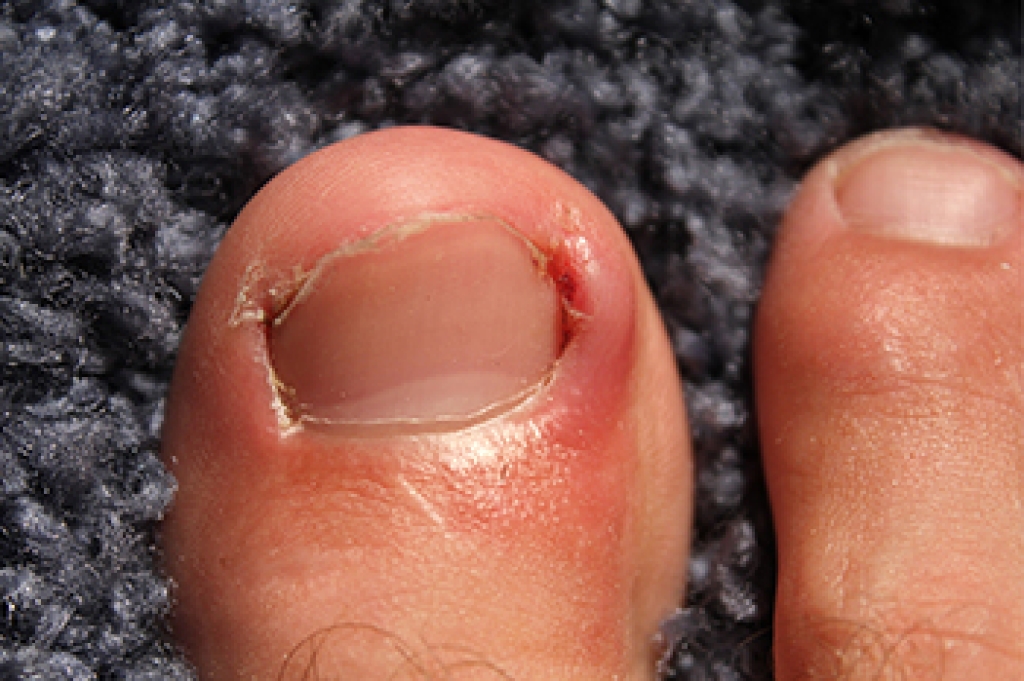
An ingrown toenail occurs when the edge of the nail grows into the nearby skin. This most often affects the big toe, but it can happen to any toenail. As the nail presses into the skin, the toe may become painful, swollen, or red. In some cases, the area may also become infected and more tender to the touch. Ingrown toenails can make it difficult to wear shoes comfortably or walk without pain. The problem may start small, but it can worsen if the nail continues to irritate the skin. People with diabetes, poor circulation, or reduced feeling in the feet should be especially careful because foot infections can become more serious.
A podiatrist can examine the toe and determine how severe the ingrown toenail is. During the visit, the podiatrist checks for infection, nail damage, and changes in the surrounding skin. Treatment depends on the patient’s symptoms and how deeply the nail has grown into the skin. In some cases, the podiatrist may carefully remove part of the nail to relieve pressure and help the area heal. If infection is present, additional medical treatment may be needed. Professional ingrown toenail treatment can reduce pain, protect the skin, and lower the chance of the problem returning.
Prompt podiatry care is important when an ingrown toenail becomes painful or shows signs of infection. Early treatment may prevent the condition from worsening and help restore comfort during walking. A podiatrist can also evaluate nail shape and foot structure to understand why the problem developed. Professional foot care supports healthier nails and helps protect long-term foot health. If you have toe pain, swelling, or redness from an ingrown toenail, it is suggested that you consult a podiatrist for an evaluation.
Ingrown toenails can become painful if they are not treated properly. For more information about ingrown toenails, contact Dr. Gary Cesar of Michigan Foot and Ankle Center. Our doctor can provide the care you need to keep you pain-free and on your feet.
Ingrown Toenails
Ingrown toenails occur when a toenail grows sideways into the bed of the nail, causing pain, swelling, and possibly infection.
Causes
- Bacterial infections
- Improper nail cutting such as cutting it too short or not straight across
- Trauma to the toe, such as stubbing, which causes the nail to grow back irregularly
- Ill-fitting shoes that bunch the toes too close together
- Genetic predisposition
Prevention
Wearing proper fitting shoes and using proper cutting techniques will also help decrease your risk of developing ingrown toenails.
Treatment
Ingrown toenails are a very treatable foot condition. In minor cases, soaking the affected area in salt or antibacterial soaps will not only help with the ingrown nail itself, but also help prevent any infections from occurring. In more severe cases, surgery is an option. In either case, speaking to your podiatrist about this condition will help you get a better understanding of specific treatment options that are right for you.
If you have any questions, please feel free to contact our offices located in Lansing and Mt. Pleasant, MI . We offer the newest diagnostic and treatment technologies for all your foot care needs.