
(517) 487-5171
Fax (517) 908-0172


(517) 487-5171
Fax (517) 908-0172

Newborn feet can look unusual at first, and much of this comes from how the baby was positioned in the womb. Some infants have feet that curve inward, called metatarsus adductus, which often improves naturally as they begin to move and grow. Others may appear flat-footed because the arch has not yet formed. Occasionally, a foot may point upward or downward due to soft tissues still adjusting after birth. Most of these early differences resolve over time with gentle movement and normal development, but some may benefit from closer observation. A podiatrist can evaluate flexibility, check alignment, and offer guidance to support healthy growth. If your newborn’s feet look unusual or if you notice little improvement as they grow, it is suggested that you see a podiatrist for proper evaluation and reassurance.
Congenital foot problems require immediate attention to avoid future complications. If you have any concerns, contact Dr. Gary Cesar of Michigan Foot and Ankle Center. Our doctor can provide the care you need to keep you pain-free and on your feet.
Congenital foot problems are deformities affecting the feet, toes, and/or ankles that children are born with. Some of these conditions have a genetic cause while others just happen. Some specific foot ailments that children may be born with include clubfeet, polydactyly/macrodactyly, and cleft foot. There are several other foot anomalies that can occur congenitally. What all of these conditions have in common is that a child may experience difficulty walking or performing everyday activities, as well as trouble finding footwear that fits their foot deformity. Some of these conditions are more serious than others. Consulting with a podiatrist as early as possible will help in properly diagnosing a child’s foot condition while getting the necessary treatment underway.
What are Causes of Congenital Foot Problem?
A congenital foot problem is one that happens to a child at birth. These conditions can be caused by a genetic predisposition, developmental or positional abnormalities during gestation, or with no known cause.
What are Symptoms of Congenital Foot Problems?
Symptoms vary by the congenital condition. Symptoms may consist of the following:
Treatment and Prevention
While there is nothing one can do to prevent congenital foot problems, raising awareness and receiving neonatal screenings are important. Early detection by taking your child to a podiatrist leads to the best outcome possible.
If you have any questions, please feel free to contact our offices located in Lansing and Mt. Pleasant, MI . We offer the newest diagnostic and treatment technologies for all your foot care needs.
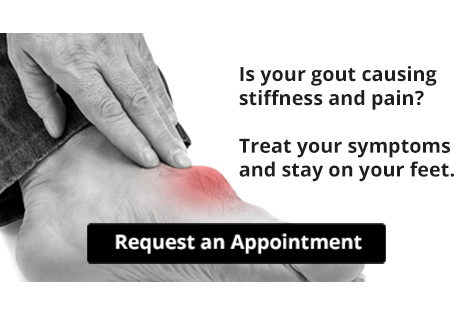
Gout is a painful, inflammatory form of arthritis. Those affected will typically feel an intense stiffness in the joints of their feet, particularly in the big toe. Schedule a visit to learn about how gout can be managed and treated.

A well-fitting shoe supports the foot without creating pressure points or leaving too much room for the foot to slide. The toes should have enough space to move comfortably, with about a thumb’s width between the longest toe and the front of the shoe. The heel should sit securely without slipping, and the sides of the shoe should feel snug, but not tight. A supportive arch and a stable sole help maintain proper alignment during walking. Trying on shoes later in the day, when the feet are slightly larger, gives a more accurate sense of fit. Paying attention to comfort from the first step is important because shoes that feel uncomfortable at the start rarely improve with wear. If you experience rubbing, pressure, or discomfort in new shoes, it is suggested that you schedule an appointment with a podiatrist for footwear advice.
Getting the right shoe size is an important part of proper foot health. Seek the assistance of Dr. Gary Cesar from Michigan Foot and Ankle Center. Our doctor will provide the care you need to keep you pain-free and on your feet.
Getting the Right Shoe Size
There are many people who wear shoes that are the incorrect size, negatively affecting their feet and posture. Selecting the right shoes is not a difficult process, so long as you keep several things in mind when it comes to choosing the right pair.
As our feet hold our body weight and keep us moving, it is important to treat them right. Picking the right pair of shoes can provide your feet comfort and mobility without pain.
If you have any questions, please feel free to contact our offices located in Lansing and Mt. Pleasant, MI . We offer the newest diagnostic and treatment technologies for all your foot care needs.

Gout often announces itself with sudden, intense pain in a joint, most commonly the big toe. The affected area may become red, swollen, and warm to the touch, and even the light pressure of a sock or sheet can feel unbearable. Some individuals notice stiffness or lingering tenderness after the most severe discomfort eases. These episodes can appear without warning and may come and go over time. Because gout is linked to elevated uric acid levels, flare ups can become more frequent if the underlying issue is not addressed. Being aware of these signs allows for earlier care and helps prevent long-term joint damage. If you experience repeated bouts of sharp joint pain or swelling in your feet, it is suggested that you schedule an appointment with a podiatrist who can help you to manage this painful condition.
Gout is a foot condition that requires certain treatment and care. If you are seeking treatment, contact Dr. Gary Cesar from Michigan Foot and Ankle Center. Our doctor will treat your foot and ankle needs.
What Is Gout?
Gout is a type of arthritis caused by a buildup of uric acid in the bloodstream. It often develops in the foot, especially the big toe area, although it can manifest in other parts of the body as well. Gout can make walking and standing very painful and is especially common in diabetics and the obese.
People typically get gout because of a poor diet. Genetic predisposition is also a factor. The children of parents who have had gout frequently have a chance of developing it themselves.
Gout can easily be identified by redness and inflammation of the big toe and the surrounding areas of the foot. Other symptoms include extreme fatigue, joint pain, and running high fevers. Sometimes corticosteroid drugs can be prescribed to treat gout, but the best way to combat this disease is to get more exercise and eat a better diet.
If you have any questions, please feel free to contact our offices located in Lansing and Mt. Pleasant, MI . We offer the newest diagnostic and treatment technologies for all your foot care needs.

Running with a broken toe is generally not recommended. Even a small fracture affects how your foot absorbs pressure, and the repeated impact from running can worsen the injury, delay healing, or cause the bone to shift out of place. Most people experience sharp pain, swelling, bruising, or difficulty pushing off the ground, all of which make running uncomfortable and risky. Continuing to run can also change your gait, which may lead to new problems in the foot, ankle, knee, or hip. A broken toe usually needs rest, protection, and sometimes immobilization to heal properly. For mild fractures, buddy taping and wearing a stiff-soled shoe may be enough. More complex injuries require medical guidance. Listening to your body and allowing time for recovery gives you the best chance to return to activity safely. If you suspect a toe fracture or the pain is not improving, it is suggested that you see a podiatrist for an evaluation and proper care.
A broken toe can be very painful and lead to complications if not properly fixed. If you have any concerns about your feet, contact Dr. Gary Cesar from Michigan Foot and Ankle Center. Our doctor will treat your foot and ankle needs.
What to Know About a Broken Toe
Although most people try to avoid foot trauma such as banging, stubbing, or dropping heavy objects on their feet, the unfortunate fact is that it is a common occurrence. Given the fact that toes are positioned in front of the feet, they typically sustain the brunt of such trauma. When trauma occurs to a toe, the result can be a painful break (fracture).
Symptoms of a Broken Toe
Generally, it is best to stay off of the injured toe with the affected foot elevated.
Severe toe fractures may be treated with a splint, cast, and in some cases, minor surgery. Due to its position and the pressure it endures with daily activity, future complications can occur if the big toe is not properly treated.
If you have any questions, please feel free to contact our offices located in Lansing and Mt. Pleasant, MI . We offer the newest diagnostic and treatment technologies for all your foot care needs.

Practicing yoga can help prevent aching feet by stretching, strengthening, and improving circulation in the lower extremities. Hero’s pose stretches the arches and ankles, relieving tension from prolonged standing or walking. Finger threading involves interlacing toes to increase flexibility and mobility in the toes and forefoot. Downward dog elongates the calves and plantar fascia, reducing strain on the heels and arches. The squat position strengthens the muscles supporting the arches and improves balance. Additionally, toe balance exercises focus on lifting and spreading toes to enhance stability and prevent cramping. A podiatrist can provide guidance on proper technique, recommend additional stretches, and assess foot structure to prevent pain. If you have foot pain, it is suggested that you consult a podiatrist who can guide you on relief tips, which may include additional yoga poses.
Stretching the feet is a great way to prevent injuries. If you have any concerns with your feet consult with Dr. Gary Cesar from Michigan Foot and Ankle Center. Our doctor will assess your condition and provide you with quality foot and ankle treatment.
Stretching the Feet
Being the backbone of the body, the feet carry your entire weight and can easily become overexerted, causing cramps and pain. As with any body part, stretching your feet can serve many benefits. From increasing flexibility to even providing some pain relief, be sure to give your feet a stretch from time to time. This is especially important for athletes or anyone performing aerobic exercises, but anyone experiencing foot pain or is on their feet constantly should also engage in this practice.
Great ways to stretch your feet:
Individuals who tend to their feet by regular stretching every day should be able to minimize foot pain and prevent new problems from arising.
If you have any questions please contact our offices located in Lansing and Mt. Pleasant, MI . We offer the newest diagnostic and treatment technologies for all your foot and ankle needs.




 Theme - Default