
(517) 487-5171
Fax (517) 908-0172


(517) 487-5171
Fax (517) 908-0172

Pain on the bottom of the foot can come from plantar fasciitis or plantar warts, and the source is not always obvious at first. Plantar fasciitis typically causes a deep, aching, or sharp pain near the heel, especially with the first steps in the morning or after rest. The area may feel tight and sore, but usually does not show visible skin changes. In contrast, plantar warts are caused by a viral infection and often appear as small, rough growths with a thickened surface. They may have tiny black dots and can cause pain when direct pressure is applied while standing or walking. A podiatrist can distinguish between these conditions through a clinical exam and recommend appropriate care. Treatment options include supportive footwear, custom orthotics, and targeted exercises for plantar fasciitis, and specialized removal or topical therapy for warts. If you have pain in the bottom of your foot, it is suggested that you make an appointment with a podiatrist.
Foot Pain
Foot pain can be extremely painful and debilitating. If you have a foot pain, consult with Dr. Gary Cesar from Michigan Foot and Ankle Center. Our doctor will assess your condition and provide you with quality foot and ankle treatment.
Causes
Foot pain is a very broad condition that could be caused by one or more ailments. The most common include:
Diagnosis
To figure out the cause of foot pain, podiatrists utilize several different methods. This can range from simple visual inspections and sensation tests to X-rays and MRI scans. Prior medical history, family medical history, and any recent physical traumatic events will all be taken into consideration for a proper diagnosis.
Treatment
Treatment depends upon the cause of the foot pain. Whether it is resting, staying off the foot, or having surgery; podiatrists have a number of treatment options available for foot pain.
If you have any questions, please feel free to contact our offices located in Lansing and Mt. Pleasant, MI . We offer the newest diagnostic and treatment technologies for all your foot care needs.
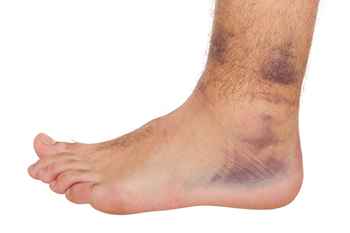
Ankle sprains or strains are common injuries involving damage to the ligaments, tendons, or muscles that support the ankle joint. A sprain affects ligaments, while a strain involves muscles or tendons. These injuries often occur due to poor athletic conditions, muscle and ligament fatigue, or not warming up before activity. Being overweight can also increase stress on the ankle, raising the risk of injury. Symptoms include pain, swelling, bruising, and difficulty bearing weight. Ankle sprains can limit movement, if not treated properly. A podiatrist can provide accurate diagnosis, recommend rehabilitation, and offer support such as bracing or orthotics. If you have ankle pain, it is suggested that you consult a podiatrist who can determine if it is a sprain or a strain, and offer effective relief and treatment solutions.
Although ankle sprains are common, they aren’t always minor injuries. If you need your ankle injury looked at, contact Dr. Gary Cesar from Michigan Foot and Ankle Center. Our doctor can provide the care you need to keep you pain-free and on your feet.
How Does an Ankle Sprain Occur?
Ankle sprains are the result of a tear in the ligaments within the ankle. These injuries may happen when you make a rapid shifting movement while your foot is planted. A less common way to sprain your ankle is when your ankle rolls inward while your foot turns outward.
What Are the Symptoms?
Preventing a Sprain
Treatment of a Sprain
In many cases, the RICE method (Rest, Ice, Compression, and Elevate) is used to treat ankle sprains. However, you should see a podiatrist to see which treatment option would work best with your injury. In severe cases, surgery may be required.
It is important to ask your doctor about rehab options after you receive treatment for your injury. Stretching, strength training, and balance exercises may help the ankle heal while also preventing further injury.
If you have any questions, please feel free to contact our offices located in Lansing and Mt. Pleasant, MI . We offer the newest diagnostic and treatment technologies for all your foot care needs.




 Theme - Default