

(517) 487-5171
Fax (517) 908-0172

Ways to Alleviate Symptoms of Plantar Fasciitis

Plantar Fasciitis refers to inflammation on the plantar fascia ligament, this ligament connects the heel to the toes. Overuse and strain can cause this condition, which affects the under arch of the foot and causes pain. This inflammation can also cause tension in surrounding muscles, and this can lead to the pain expanding into the calf. Stretches are beneficial in reducing tension, and therefore help to reduce overall pain. Towel curls can be performed by curling a towel with your toes. This stretch is done by placing a towel on the floor then while sitting, place your feet flat on the towel. By grasping the towel with your toes and curling inward you are stretching out the right parts of your foot. Foot flexes are also effective and are performed by sitting on the floor with your legs straight, then after wrapping an elastic band around your feet, begin to point your toes away from your body. If you believe you have plantar fasciitis, then it is highly recommended you speak to a podiatrist to learn about treatment options.

Plantar fasciitis can be very painful and inconvenient. If you are experiencing heel pain or symptoms of plantar fasciitis, contact Dr. Gary Cesar  from Michigan Foot and Ankle Center. Our doctor can provide the care you need to keep you pain-free and on your feet.

What Is Plantar Fasciitis?

Plantar fasciitis is the inflammation of the thick band of tissue that runs along the bottom of your foot, known as the plantar fascia, and causes mild to severe heel pain.

What Causes Plantar Fasciitis?

  • Excessive running
  • Non-supportive shoes
  • Overpronation
  • Repeated stretching and tearing of the plantar fascia

How Can It Be Treated?

  • Conservative measures – anti-inflammatories, ice packs, stretching exercises, physical therapy, orthotic devices
  • Shockwave therapy – sound waves are sent to the affected area to facilitate healing and are usually used for chronic cases of plantar fasciitis
  • Surgery – usually only used as a last resort when all else fails. The plantar fascia can be surgically detached from the heel

While very treatable, plantar fasciitis is definitely not something that should be ignored. Especially in severe cases, speaking to your doctor right away is highly recommended to avoid complications and severe heel pain. Your podiatrist can work with you to provide the appropriate treatment options tailored to your condition.

If you have any questions, please feel free to contact our offices located in Lansing and Mt. Pleasant, MI . We offer the newest diagnostic and treatment technologies for all your foot care needs.


Read more about Plantar Fasciitis

Foot Pain May Come from Wearing Shoes That Don’t Fit Correctly

Research has shown the foot is considered to be one of the most complicated structures of the body. There are numerous bones, tendons, muscles, and ligaments each foot is comprised of. The feet may endure pain and discomfort as a result of bearing the weight of the body for the majority of the day. Wearing shoes that do not fit correctly may be the source of different types of foot pain. These may include corns and bunions. A corn may develop as a result of friction that is caused by two toes rubbing together, or if a toe rubs against a part of the shoe. Bunions may form on the side of the big toe, and it may happen if shoes that are worn are too tight. If you are experiencing any type of foot pain, it is advised that you seek the counsel of a podiatrist who can properly diagnose and treat any foot condition.

Foot Pain

Foot pain can be extremely painful and debilitating. If you have a foot pain, consult with Dr. Gary Cesar from Michigan Foot and Ankle Center. Our doctor will assess your condition and provide you with quality foot and ankle treatment.

Causes

Foot pain is a very broad condition that could be caused by one or more ailments. The most common include:

  • Bunions
  • Hammertoes
  • Plantar Fasciitis
  • Bone Spurs
  • Corns
  • Tarsal Tunnel Syndrome
  • Ingrown Toenails
  • Arthritis (such as Gout, Rheumatoid, and Osteoarthritis)
  • Flat Feet
  • Injury (from stress fractures, broken toe, foot, ankle, Achilles tendon ruptures, and sprains)
  • And more

Diagnosis

To figure out the cause of foot pain, podiatrists utilize several different methods. This can range from simple visual inspections and sensation tests to X-rays and MRI scans. Prior medical history, family medical history, and any recent physical traumatic events will all be taken into consideration for a proper diagnosis.

Treatment

Treatment depends upon the cause of the foot pain. Whether it is resting, staying off the foot, or having surgery; podiatrists have a number of treatment options available for foot pain.

If you have any questions, please feel free to contact our offices located in Lansing and Mt. Pleasant, MI . We offer the newest diagnostic and treatment technologies for all your foot care needs.
Read more about Foot Pain

Have I Broken My Foot?

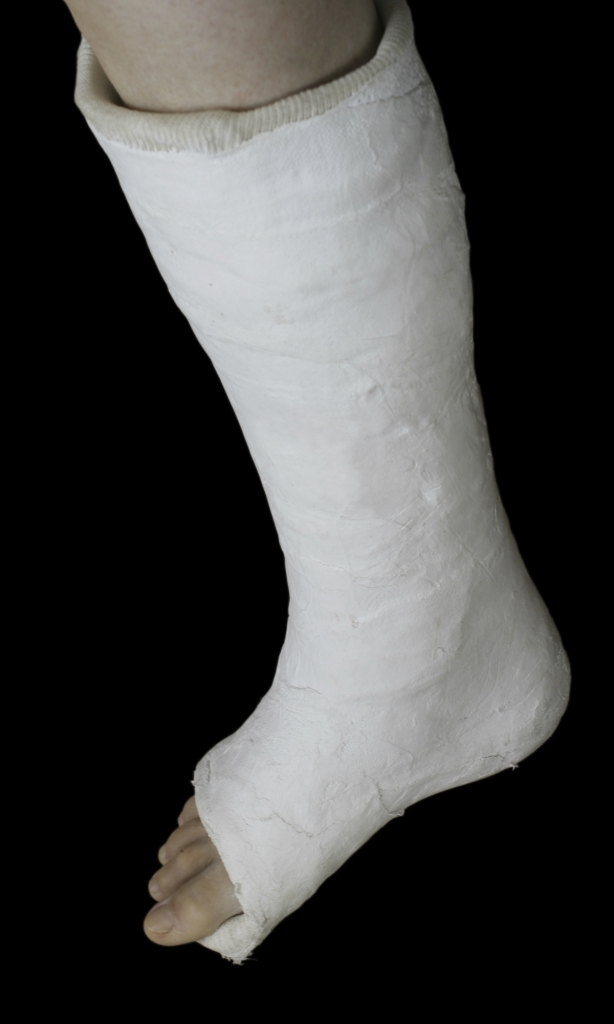
If you have fallen or twisted your ankle, you may have broken your foot. There are numerous bones, ligaments and tendons that are located in each foot, and one or more may easily fracture if falling occurs. There are several symptoms that may be associated with a broken foot. These may include pain and discomfort, swelling, bruising, or difficulty in walking. In severe fractures, the bones may become dislocated, and may protrude through the skin. It is important to obtain a proper diagnosis, which may be accomplished by having an X-ray performed. This is followed by beginning the correct treatment, which may consist of wearing a supportive boot or cast. This may help to immobilize the foot so the healing process can begin. If you feel you have broken your foot, it is recommended to consult with a podiatrist who can properly diagnosis and offer correct treatment options.

A broken foot requires immediate medical attention and treatment. If you need your feet checked, contact Dr. Gary Cesar from Michigan Foot and Ankle Center. Our doctor can provide the care you need to keep you pain-free and on your feet.

Broken Foot Causes, Symptoms, and Treatment

A broken foot is caused by one of the bones in the foot typically breaking when bended, crushed, or stretched beyond its natural capabilities. Usually the location of the fracture indicates how the break occurred, whether it was through an object, fall, or any other type of injury. 

Common Symptoms of Broken Feet:

  • Bruising
  • Pain
  • Redness
  • Swelling
  • Blue in color
  • Numbness
  • Cold
  • Misshapen
  • Cuts
  • Deformities

Those that suspect they have a broken foot shoot seek urgent medical attention where a medical professional could diagnose the severity.

Treatment for broken bones varies depending on the cause, severity and location. Some will require the use of splints, casts or crutches while others could even involve surgery to repair the broken bones. Personal care includes the use of ice and keeping the foot stabilized and elevated.

If you have any questions, please feel free to contact our offices located in Lansing and Mt. Pleasant, MI . We offer the newest diagnostic and treatment technologies for all your foot care needs.

Read more about Causes, Symptoms, and Treatment for a Broken Foot

Wounds That Don't Heal Need to Be Checked

Your feet are covered most of the day. If you're diabetic, periodic screening is important for good health. Numbness is often a sign of diabetic foot and can mask a sore or wound.

Connect with us