

(517) 487-5171
Fax (517) 908-0172

When Is the Best Time of Day to Purchase Shoes?

Research has indicated that it may be beneficial to purchase running shoes that are a half size larger than shoes that are worn for daily activities. When shoes have ample room for the toes and heels to feel comfortable, overall foot fatigue and blisters may be prevented. Additionally, the larger size shoe may accommodate for existing swelling, and can allow for the foot to point and flex while running. It is beneficial to obtain a foot measurement later in the day while the feet are at their largest, as this may be helpful in determining the correct size running shoe to purchase. If you would like more information about how to buy running shoes that fit your feet perfectly, please consult with a podiatrist who can help you to purchase the correct shoes.

If you are a runner, wearing the right running shoe is essential. For more information, contact Dr. Gary Cesar from Michigan Foot and Ankle Center. Our doctor can provide the care you need to keep you pain-free and on your feet.

Choosing the Right Running Shoe for Your Foot Type

To increase performance and avoid the risk of injury, it is important to choose the right running shoe based on your foot type. The general design of running shoes revolves around pronation, which is how the ankle rolls from outside to inside when the foot strikes the ground.

  • Neutral runners are able to choose from a wide variety of shoes, including minimalist shoes or even going barefoot.
  • Runners who overpronate, or experience an over-abundance of ankle rolling, should choose shoes that provide extra motion control and stability.
  • Runners who underpronate, or supinate, have feet that have high arches and lack flexibility, preventing shock absorption. They require shoes with more flexibility and cushion.

If you have any questions, please feel free to contact our offices located in Lansing and Mt. Pleasant, MI . We offer the newest diagnostic and treatment technologies for all your foot care needs.
Read more about Choosing the Right Running Shoe for Your Foot Type

Where Is the Achilles Tendon Located?

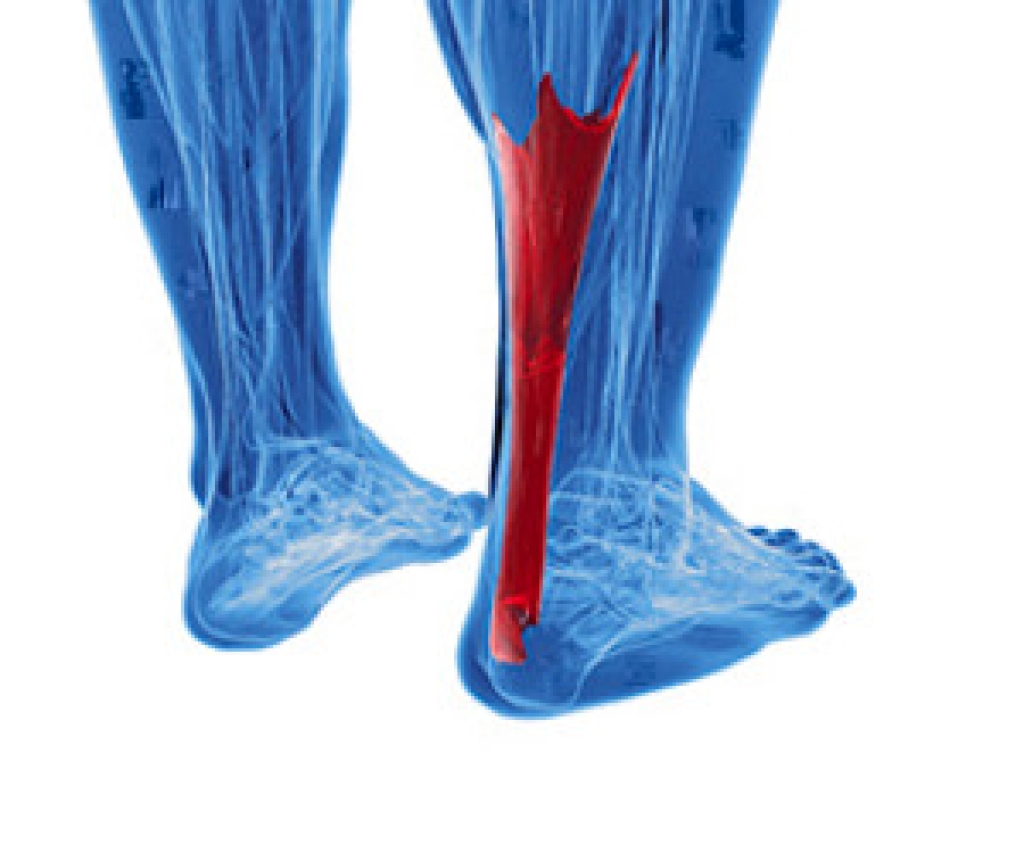
The Achilles tendon is a portion of tissue that is located in the back of the leg, and connects the heel to the calf muscles. It enables the feet to point and flex, and it is important for strength and flexibility to be maintained. People who participate in running and jumping activities may experience an Achilles tendon injury, as this can cause severe pain and discomfort. It can also happen as a result of gradual overuse, or from a sudden injury. It may be beneficial to perform gentle stretching techniques that can strengthen the Achilles tendon and surrounding areas before beginning a new sport. Common symptoms patients may experience can include stiffness in the calf and heel upon arising in the morning, consistent pain in the back of the leg, and it is often difficult to walk. If you feel you have injured your Achilles tendon, it is suggested that you seek the counsel of a podiatrist who can properly diagnose and treat this condition.

Achilles tendon injuries need immediate attention to avoid future complications. If you have any concerns, contact Dr. Gary Cesar of Michigan Foot and Ankle Center. Our doctor can provide the care you need to keep you pain-free and on your feet.

What Is the Achilles Tendon?

The Achilles tendon is a tendon that connects the lower leg muscles and calf to the heel of the foot. It is the strongest tendon in the human body and is essential for making movement possible. Because this tendon is such an integral part of the body, any injuries to it can create immense difficulties and should immediately be presented to a doctor.

What Are the Symptoms of an Achilles Tendon Injury?

There are various types of injuries that can affect the Achilles tendon. The two most common injuries are Achilles tendinitis and ruptures of the tendon.

Achilles Tendinitis Symptoms

  • Inflammation
  • Dull to severe pain
  • Increased blood flow to the tendon
  • Thickening of the tendon

Rupture Symptoms

  • Extreme pain and swelling in the foot
  • Total immobility

Treatment and Prevention

Achilles tendon injuries are diagnosed by a thorough physical evaluation, which can include an MRI. Treatment involves rest, physical therapy, and in some cases, surgery. However, various preventative measures can be taken to avoid these injuries, such as:

  • Thorough stretching of the tendon before and after exercise
  • Strengthening exercises like calf raises, squats, leg curls, leg extensions, leg raises, lunges, and leg presses

If you have any questions please feel free to contact our offices located in Lansing and Mt. Pleasant, MI . We offer the newest diagnostic tools and technology to treat your foot and ankle needs.

Read more about Achilles Tendon Injuries

Why Does the Skin on My Heels Feel Uncomfortable?

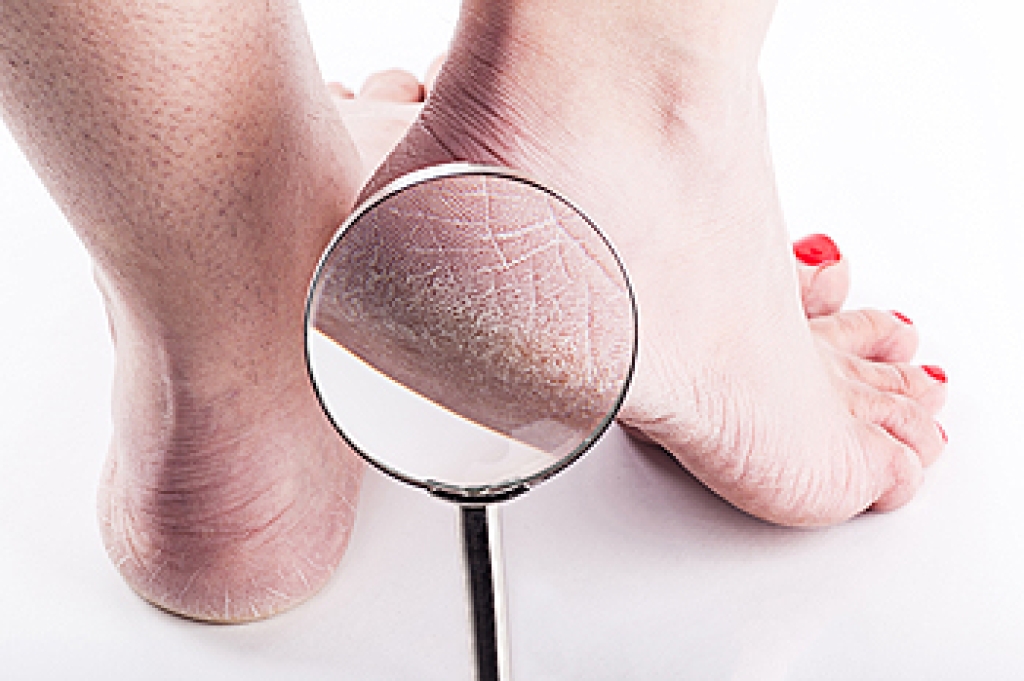
Excessively dry skin on the heels may lead to a condition that is known as heel fissures. Heel fissures are defined as deep cracks in the skin of the heels, which can cause quite a deal of pain. There are a variety of reasons why this ailment may occur. These can include sudden weight gain, wearing shoes that have an open back, or medical conditions such as eczema or psoriasis. Patients may find relief in mild cases when the affected area is moisturized several times per day, and if a pumice stone is used to remove any dead skin. In severe cases of cracked heels, it is suggested that you meet with a podiatrist who can properly trim skin that has become thick and callused, in addition to prescribing medication that may help to heal this ailment.

If the skin on your feet starts to crack, you may want to see a podiatrist to find treatment. If you have any concerns, contact Dr. Gary Cesar from Michigan Foot and Ankle Center. Our doctor can provide the care you need to keep you pain-free and on your feet.

Cracked Heels

It is important to moisturize your cracked heels in order to prevent pain, bleeding, and infection. The reason cracked heels form is because the skin on the foot is too dry to support the immense pressure placed on them. When the foot expands, the dry skin on the foot begins to split.

Ways to Help Heal Them

  • Invest in a good foot cream
  • Try Using Petroleum Jelly
  • Ease up on Soaps
  • Drink Plenty of Water

Ways to Prevent Cracked Heels

  • Moisturize After Showering
  • Skip a Shower
  • Keep Shower Water Lukewarm
  • Don’t Scrub Your Feet

If you are unsure how to proceed in treating cracked heels, seek guidance from a podiatrist. Your doctor will help you with any questions or information you may need. 

If you have any questions, please feel free to contact our offices located in Lansing and Mt. Pleasant, MI . We offer the newest diagnostic and treatment technologies for all your foot care needs.

Read more about Solutions for Cracked Heels

Why Live with Pain and Numbness in Your Feet?

Suffering from this type of pain? You may have the foot condition known as Morton's neuroma. Morton's neuroma may develop as a result of ill-fitting footwear and existing foot deformities. We can help.

Rheumatoid Arthritis and the Feet

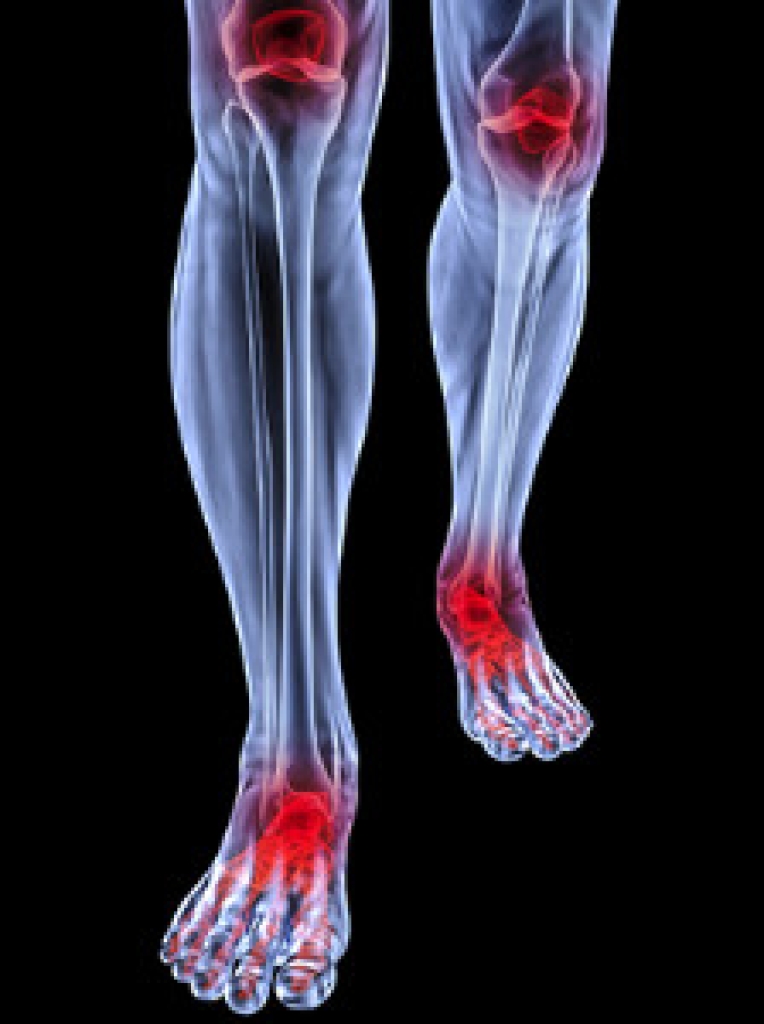
If you are experiencing severe pain and joint deformity, you may be showing symptoms indicative of rheumatoid arthritis. This form of arthritis causes the body to attack its own joint tissue. This may result in inflammation as well as progressive joint damage. The effects of rheumatoid arthritis are typically most present in the toes, however this condition may also cause flat feet, resulting in fallen arches. Heel pain, nerve damage, and skin rashes are also other conditions that may arise due to rheumatoid arthritis. If you are afflicted with this ailment, it is highly recommended that you are under the care of a podiatrist as the most advanced treatment options are available now.

Because RA affects more than just your joints, including the joints in your feet and ankles, it is important to seek early diagnosis from your podiatrist if you feel like the pain in your feet might be caused by RA. For more information, contact Dr. Gary Cesar of Michigan Foot and Ankle Center. Our doctor will assist you with all of your podiatric concerns.

What Is Rheumatoid Arthritis?

Rheumatoid Arthritis (RA) is an autoimmune disorder in which the body’s own immune system attacks the membranes surrounding the joints. Inflammation of the lining and eventually the destruction of the joint’s cartilage and bone occur, causing severe pain and immobility.

Rheumatoid Arthritis of the Feet

Although RA usually attacks multiple bones and joints throughout the entire body, almost 90 percent of cases result in pain in the foot or ankle area.

Symptoms

  • Swelling and pain in the feet
  • Stiffness in the feet
  • Pain on the ball or sole of feet
  • Joint shift and deformation

Diagnosis

Quick diagnosis of RA in the feet is important so that the podiatrist can treat the area effectively. Your doctor will ask you about your medical history, occupation, and lifestyle to determine the origin of the condition. Rheumatoid Factor tests help to determine if someone is affected by the disease.

If you have any questions, please feel free to contact our offices located in Lansing and Mt. Pleasant, MI . We offer the newest diagnostic and treatment technologies for all your foot care needs.
Read more about Rheumatoid Arthritis in the Feet
Connect with us