
(517) 487-5171
Fax (517) 908-0172

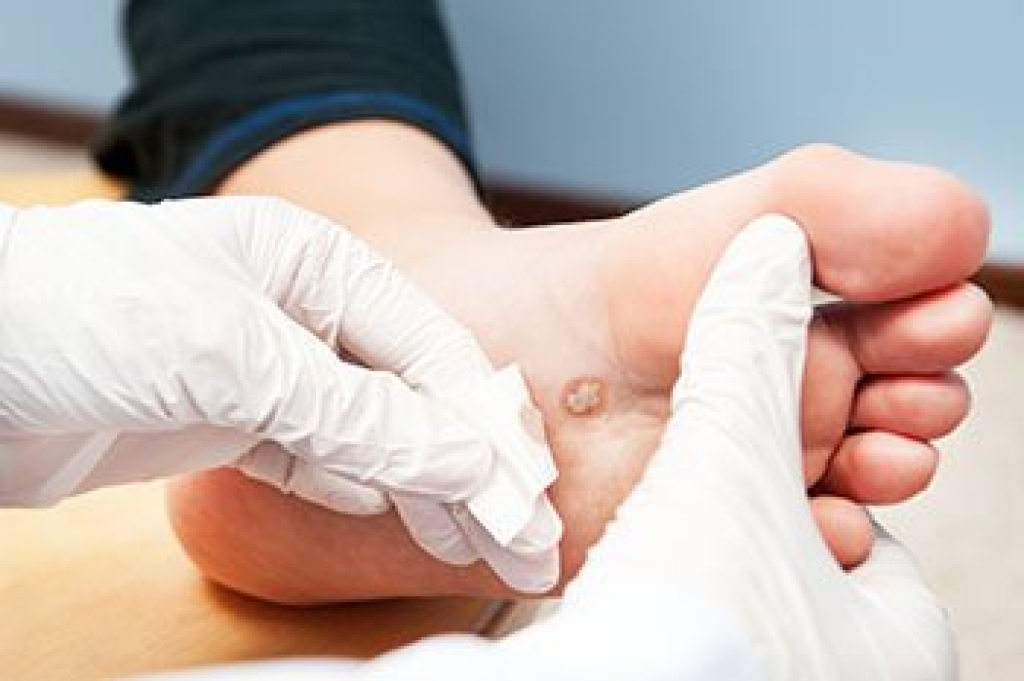
How Plantar Warts Appear

Plantar warts are common warts that form on the bottom of the foot as a result of the human papilloma virus, also known as HPV. HPV tends to thrive in warm and moist environments like locker rooms, shower floors and swimming pools. The virus transmits through direct contact and is usually picked up through a small opening in the skin. Once the wart forms, it will appear as a circular flat spot with a depressed center, and it may appear yellow or have a black dot in the middle. Plantar warts can also be very painful. Plantar warts that are causing pain or are spreading should be treated by a podiatrist since there is not a way to tell how deep the wart has grown. Based on the condition of the wart, a podiatrist will be able to determine the best course of treatment for the wart.

Plantar warts can be very uncomfortable. If you need your feet checked, contact Dr. Gary Cesar from Michigan Foot and Ankle Center. Our doctor will assist you with all of your foot and ankle needs.

About Plantar Warts

Plantar warts are the result of HPV, or human papillomavirus, getting into open wounds on the feet. They are mostly found on the heels or balls of the feet.

While plantar warts are generally harmless, those experiencing excessive pain or those suffering from diabetes or a compromised immune system require immediate medical care. Plantar warts are easily diagnosed, usually through scraping off a bit of rough skin or by getting a biopsy.

Symptoms

  • Lesions on the bottom of your feet, usually rough and grainy
  • Hard or thick callused spots
  • Wart seeds, which are small clotted blood vessels that look like little black spots
  • Pain, discomfort, or tenderness of your feet when walking or standing

Treatment

  • Freezing
  • Electric tool removal
  • Laser Treatment
  • Topical Creams (prescription only)
  • Over-the-counter medications

To help prevent developing plantar warts, avoid walking barefoot over abrasive surfaces that can cause cuts or wounds for HPV to get into. Avoiding direct contact with other warts, as well as not picking or rubbing existing warts, can help prevent the further spread of plantar warts. However, if you think you have developed plantar warts, speak to your podiatrist. He or she can diagnose the warts on your feet and recommend the appropriate treatment options.

If you have any questions, please feel free to contact our offices located in Lansing and Mt. Pleasant, MI . We offer the newest diagnostic and treatment technologies for all your foot care needs.
Read more about All About Plantar Warts

How People with Diabetes Can Help Prevent Foot Wounds

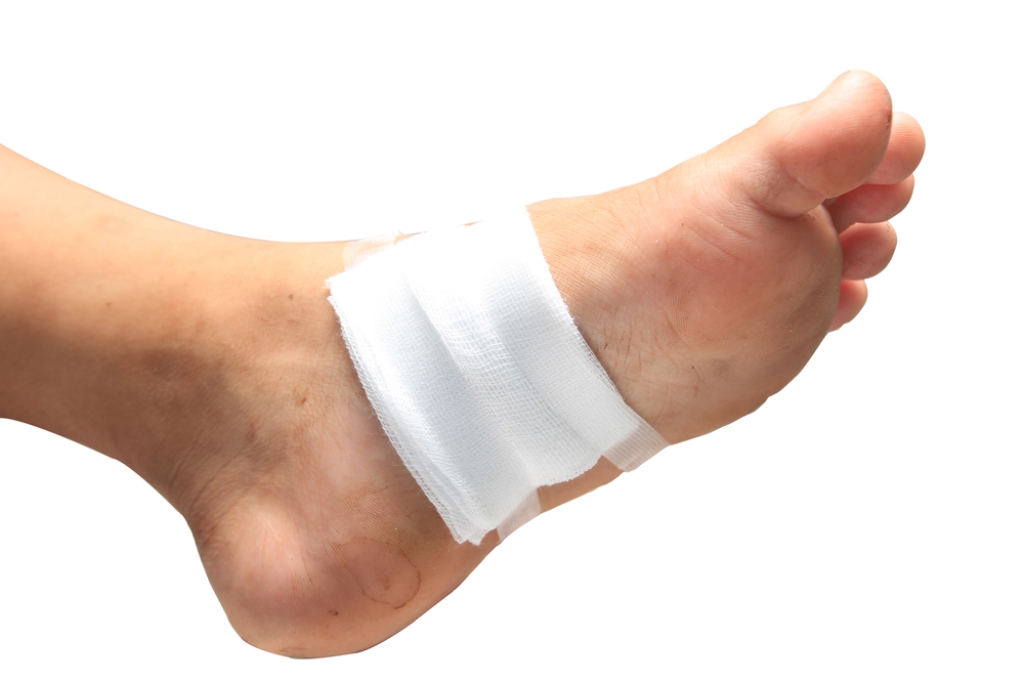
Foot wounds are an unfortunate reality for many people with diabetes. Detecting and helping to prevent foot ulcers from occurring—and seeking treatment if they do—is extremely important for anyone with diabetes. Because diabetes can reduce circulation and feeling in the legs and feet, detecting a foot wound can be difficult. That’s why it’s important to examine your feet every day—particularly the bottom of the feet where ulcers can often develop. Early detection of cuts, cracks, sores, blisters or other changes in the skin can help prevent these minor abrasions from devolving into a wound. Foot wound prevention also includes wearing comfortable shoes that fit well, keeping your toenails trimmed straight across and not too short, and wearing compression socks that can help blood flow, and keep feet dry and bacteria-free while reducing pain and swelling. It is also suggested that people with diabetes seek the professional care of a podiatrist who can provide additional prevention measures—and treat any wounds if they do occur.

Wound care is an important part in dealing with diabetes. If you have diabetes and a foot wound or would like more information about wound care for diabetics, consult with Dr. Gary Cesar from Michigan Foot and Ankle Center. Our doctor will assess your condition and provide you with quality foot and ankle treatment.

What Is Wound Care?

Wound care is the practice of taking proper care of a wound. This can range from the smallest to the largest of wounds. While everyone can benefit from proper wound care, it is much more important for diabetics. Diabetics often suffer from poor blood circulation which causes wounds to heal much slower than they would in a non-diabetic. 

What Is the Importance of Wound Care?

While it may not seem apparent with small ulcers on the foot, for diabetics, any size ulcer can become infected. Diabetics often also suffer from neuropathy, or nerve loss. This means they might not even feel when they have an ulcer on their foot. If the wound becomes severely infected, amputation may be necessary. Therefore, it is of the upmost importance to properly care for any and all foot wounds.

How to Care for Wounds

The best way to care for foot wounds is to prevent them. For diabetics, this means daily inspections of the feet for any signs of abnormalities or ulcers. It is also recommended to see a podiatrist several times a year for a foot inspection. If you do have an ulcer, run the wound under water to clear dirt from the wound; then apply antibiotic ointment to the wound and cover with a bandage. Bandages should be changed daily and keeping pressure off the wound is smart. It is advised to see a podiatrist, who can keep an eye on it.

If you have any questions please contact our offices located in Lansing and Mt. Pleasant, MI . We offer the newest diagnostic and treatment technologies for all your foot and ankle needs.

Read more about Wound Care

What Can Cause Hammertoes?

Hammertoe is a progressive foot deformity in which the toe bends down at the middle joint, giving the toe a hammer-like appearance. This can be both unsightly and uncomfortable as the tops of your toes rub up against the inside of your shoes. The constant rubbing and friction can cause corns and calluses to form on the tops of the toes. Hammertoes can be caused by an imbalance of the muscles and ligaments in the toes, wearing shoes that don’t fit properly, toes that squish together, shoes that have excessively high heels or a narrow toe box, and even flip-flops. Flat feet may also be a risk factor that contributes to hammertoe formation. If you develop hammertoe, please consult with a podiatrist who can offer you treatment options to slow the progression of your hammertoes as well as correct them.

Hammertoes can be a painful condition to live with. For more information, contact Dr. Gary Cesar of Michigan Foot and Ankle Center. Our doctor will answer any of your foot- and ankle-related questions.

Hammertoe

Hammertoe is a foot deformity that occurs due to an imbalance in the muscles, tendons, or ligaments that normally hold the toe straight. It can be caused by the type of shoes you wear, your foot structure, trauma, and certain disease processes.

Symptoms

  • Painful and/or difficult toe movement
  • Swelling
  • Joint stiffness
  • Calluses/Corns
  • Physical deformity

Risk Factors

  • Age – The risk of hammertoe increases with age
  • Sex – Women are more likely to have hammertoe compared to men
  • Toe Length – You are more likely to develop hammertoe if your second toe is longer than your big toe
  • Certain Diseases – Arthritis and diabetes may make you more likely to develop hammertoe

Treatment

If you have hammertoe, you should change into a more comfortable shoe that provides enough room for your toes. Exercises such as picking up marbles may strengthen and stretch your toe muscles. Nevertheless, it is important to seek assistance from a podiatrist in order to determine the severity of your hammertoe and see which treatment option will work best for you.

If you have any questions, please feel free to contact our offices located in Lansing and Mt. Pleasant, MI . We offer the newest diagnostic and treatment technologies for all your foot care needs.

Read more about Hammertoe

Gout Pain Can Be Managed

Gout is a painful, inflammatory form of arthritis. Those affected will typically feel an intense stiffness in the joints of their feet, particularly in the big toe. Schedule a visit to learn about how gout can be managed and treated.

Tips to Prevent Running Injuries

If you are a runner, then you are likely no stranger to foot and ankle injuries. Running can put immense strain on the lower limbs, leading to conditions such as plantar fasciitis, Achilles tendinitis, ankle strains and sprains, and stress fractures. Fortunately, there are steps that you can take to avoid foot and ankle injuries while running. The most important thing you can do to prevent injuries is train slowly. Increase the mileage, duration, or intensity of your runs separately and gradually over time, and give yourself plenty of time to rest following a run. It is also important that you wear properly fitted shoes that support and protect your feet. For more information about preventing running injuries, please speak with a podiatrist. 

Exercising your feet regularly with the proper foot wear is a great way to prevent injuries. If you have any concerns about your feet, contact Dr. Gary Cesar of Michigan Foot and Ankle Center. Our doctor will treat your foot and ankle needs.

How to Prevent Running Injuries

Many common running injuries are caused by overuse and overtraining. When the back of the kneecap starts wearing out and starts causing pain in your knee, this is commonly referred to as runner’s knee. Runner’s knee is a decrease in strength in your quadriceps and can occur if you’re not wearing properly fitted or supporting shoes. To prevent runner’s knee, focusing on hip strengthening is a good idea, as well as strengthening your quads to keep the kneecaps aligned.

What Are Some Causes of Running Injuries? 
- One cause of a common running injury is called iliotibial band syndrome.
- Plantar fasciitis is also another common injury.
- Stress fractures can occur from overtraining, lack of calcium, or even your running style.

Best Ways to Prevent Running Injuries
- Wear footwear that fits properly and suits your running needs.
- Running shoes are the only protective gear that runners have to safeguard them from injury.
- Make a training schedule. Adding strengthening exercises as well as regular stretching can help keep you strong and limber and can lessen the possibility of injuries.
- Stretching keeps muscles limber; this will help you gain better flexibility.

If you have any questions, please feel free to contact our offices located in Lansing and Mt. Pleasant, MI . We offer the newest diagnostic and treatment technologies for all your foot care needs.

Read more about Preventing Running Injuries
Connect with us