
(517) 487-5171
Fax (517) 908-0172

Understanding Ankle Sprains and Recovery

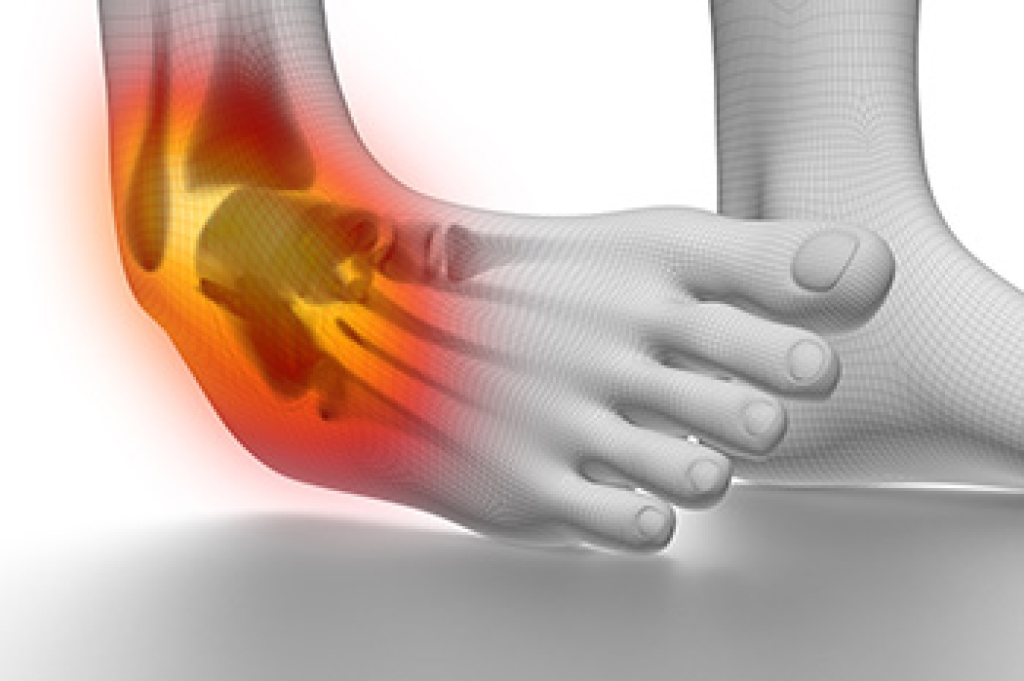
An ankle sprain happens when the strong bands of tissue that support the ankle are stretched or torn. These bands, called ligaments, help keep the joint stable while walking, running and changing direction. A sprain can occur when the foot twists suddenly, rolls inward or lands awkwardly after a step or jump. Pain is usually felt around the ankle and can appear right away. Swelling and bruising can develop within hours. Some patients also notice tenderness or difficulty putting weight on the foot. The severity of an ankle sprain ranges from a mild stretch of the ligaments to a more serious tear that affects ankle stability.

Symptoms can vary depending on how much damage occurred. Many people experience pain when walking and discomfort when moving the ankle from side to side. Swelling can make shoes feel tight and uncomfortable. Bruising may spread across the ankle or foot as the injury develops. Some patients may hear or feel a popping sensation at the moment of injury. A severe sprain can make standing difficult and may create a feeling that the ankle is weak or likely to give way. Because fractures and other injuries can cause similar symptoms, a proper evaluation is important to determine the exact cause of ankle pain.

A podiatrist can examine the ankle, assess its stability, and determine the extent of the injury. Diagnosis includes a physical examination and, when appropriate, imaging tests like X-rays or advanced scans. Treatment is designed to reduce pain, support healing and restore normal movement. A podiatrist may recommend bracing, targeted exercises or other therapies that help improve strength and balance. Early care can also lower the risk of ongoing instability and repeated sprains. If you have symptoms of an ankle sprain, it is suggested that you schedule an appointment with a podiatrist who can accurately diagnose and treat ankle sprains.

Although ankle sprains are common, they aren’t always minor injuries. If you need your ankle injury looked at, contact Dr. Gary Cesar from Michigan Foot and Ankle Center. Our doctor can provide the care you need to keep you pain-free and on your feet.

How Does an Ankle Sprain Occur?

Ankle sprains are the result of a tear in the ligaments within the ankle. These injuries may happen when you make a rapid shifting movement while your foot is planted. A less common way to sprain your ankle is when your ankle rolls inward while your foot turns outward.

What Are the Symptoms?

  • Pain at the sight of the tear
  • Bruising/Swelling
  • Ankle area is tender to touch
  • In severe cases, may hear/feel something tear
  • Skin discoloration

Preventing a Sprain

  • Wearing appropriate shoes for the occasion
  • Stretching before exercises and sports
  • Knowing your limits

Treatment of a Sprain

In many cases, the RICE method (Rest, Ice, Compression, and Elevate) is used to treat ankle sprains. However, you should see a podiatrist to see which treatment option would work best with your injury. In severe cases, surgery may be required.

It is important to ask your doctor about rehab options after you receive treatment for your injury. Stretching, strength training, and balance exercises may help the ankle heal while also preventing further injury.

If you have any questions, please feel free to contact our offices located in Lansing and Mt. Pleasant, MI . We offer the newest diagnostic and treatment technologies for all your foot care needs.

Read more about Three Grades of Ankle Sprains

Wounds That Don't Heal Need to Be Checked

Your feet are covered most of the day. If you're diabetic, periodic screening is important for good health. Numbness is often a sign of diabetic foot and can mask a sore or wound.

Understanding Toe Walking in Children

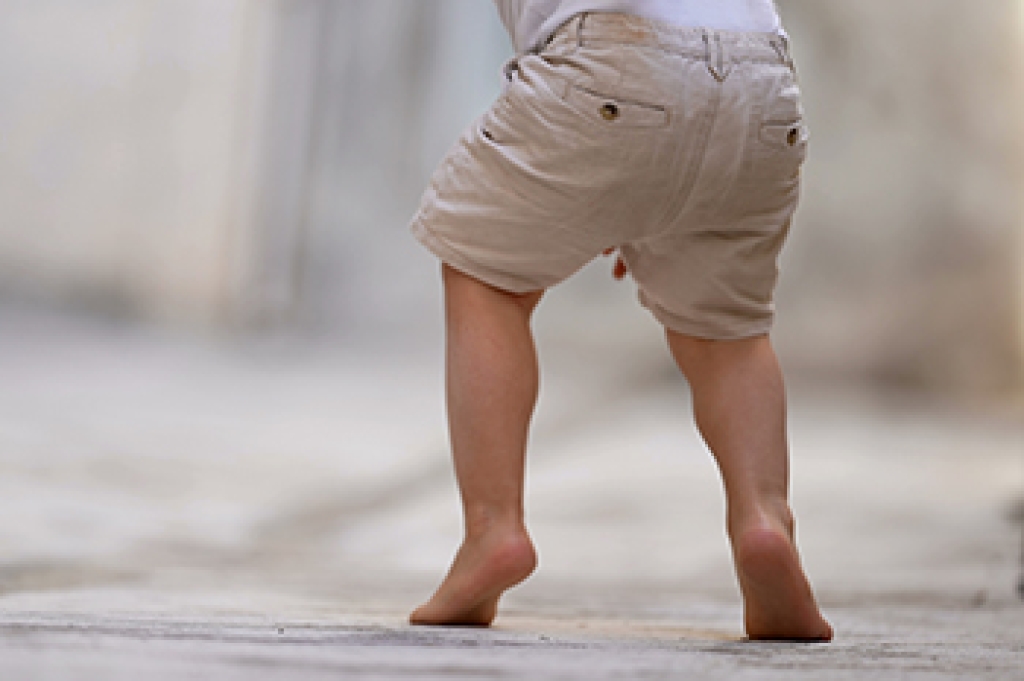
Toe walking happens when a child walks primarily on the balls of the feet instead of placing the heels down in a typical walking pattern. In some cases, this walking style may be linked to muscle, nerve, or structural conditions, but many children show this pattern without a clearly identifiable medical reason. For some families, it is mainly a concern because of how the walking looks, while others notice balance problems, tight muscles, discomfort, or difficulty with activity. Evaluation includes a detailed medical history, physical examination, and, when needed, further testing to look for underlying causes. Treatment depends on the child’s age, how long the pattern has been present, and whether tightness has developed in the calf or Achilles area. Care may include stretching programs, supportive devices, or other interventions to improve movement. If your child continues to walk on their toes, it is suggested that you visit a podiatrist for an evaluation and management tips.

Making sure that your children maintain good foot health is very important as they grow. If you have any questions, contact Dr. Gary Cesar of Michigan Foot and Ankle Center. Our doctor can provide the care you need to keep you pain-free and on your feet.

Keeping Children's Feet Healthy

Having healthy feet during childhood can help prevent medical problems later in life, namely in the back and legs. As children grow, their feet require different types of care. Here are some things to consider...

Although babies do not walk yet, it is still very important to take care of their feet.

Avoid putting tight shoes or socks on his or her feet.

Allow the baby to stretch and kick his or her feet to feel comfortable.

As a toddler, kids are now on the move and begin to develop differently. At this age, toddlers are getting a feel for walking, so don’t be alarmed if your toddler is unsteady or ‘walks funny’. 

As your child gets older, it is important to teach them how to take care of their feet.

Show them proper hygiene to prevent infections such as fungus.

Be watchful for any pain or injury.

Have all injuries checked by a doctor as soon as possible.

Comfortable, protective shoes should always be worn, especially at play.

If you have any questions, please feel free to contact our offices located in Lansing and Mt. Pleasant, MI . We offer the newest diagnostic and treatment technologies for all your foot care needs.

Read more about How to Care for Your Child's Feet

Foot Problems From Poor Work Footwear

Wearing the wrong safety footwear at work can lead to several painful foot conditions over time. Tight or ill fitting shoes may cause bunions, which appear as a bony bump at the base of the big toe due to joint misalignment. Constant friction can also lead to corns, which are thickened areas of skin that develop from pressure. Blisters may form when the skin rubs repeatedly against the shoe, creating fluid filled pockets that can become irritated. These issues often develop gradually and may worsen with long hours on hard surfaces or in restrictive footwear. Symptoms can include soreness, swelling, redness, and difficulty walking comfortably. A podiatrist can assess posture, alignment, and how weight is distributed through the feet, helping reduce strain linked to poor footwear. If you have foot pain from wearing the wrong work shoes, it is suggested that you consult a podiatrist who can offer relief tips and guide you on the correct shoes to wear.

While working on the feet, it is important to take the proper care of them. For more information about working on your feet, contact Dr. Gary Cesar from Michigan Foot and Ankle Center. Our doctor will treat your foot and ankle needs.

Working on Your Feet

Standing on your feet for long periods of time can cause stress and pain in your feet. Your whole body may experience change in terms of posture, back pain, bunions, callouses and or plantar warts. There are ways to avoid these conditions with proper foot care, smart choices and correct posture.

Positive Changes

Negative heeled shoe – Choosing this shoe type places the heel slightly lower than the ball of the foot. These are great for overall foot health. Find shoes that fit you correctly.

Go barefoot – Our feet were not designed to be enclosed for all hours of the day. Try to periodically expose your feet to air.

Eliminate Pain

Foot Exercises – Performing simple exercises, incorporating yoga and doing stretches are beneficial. This will allow increased blood flow to the area and muscles of the foot.

Achilles tendon – Stretching the foot out flat on the floor will relax the calf muscles and tendon. These exercises can be performed almost anywhere. Make sure you add these exercises to your daily regimen. 

With a little bit of this information and knowing more about foot health, you will notice changes. Foot stretches and proper footwear will help with pain and prevent further issues.

If you have any questions please contact our offices located in Lansing and Mt. Pleasant, MI . We offer the newest diagnostic and treatment technologies for all your foot and ankle needs.

Read more about How to Handle a Long Work Day on Your Feet

Understanding Gout Symptoms

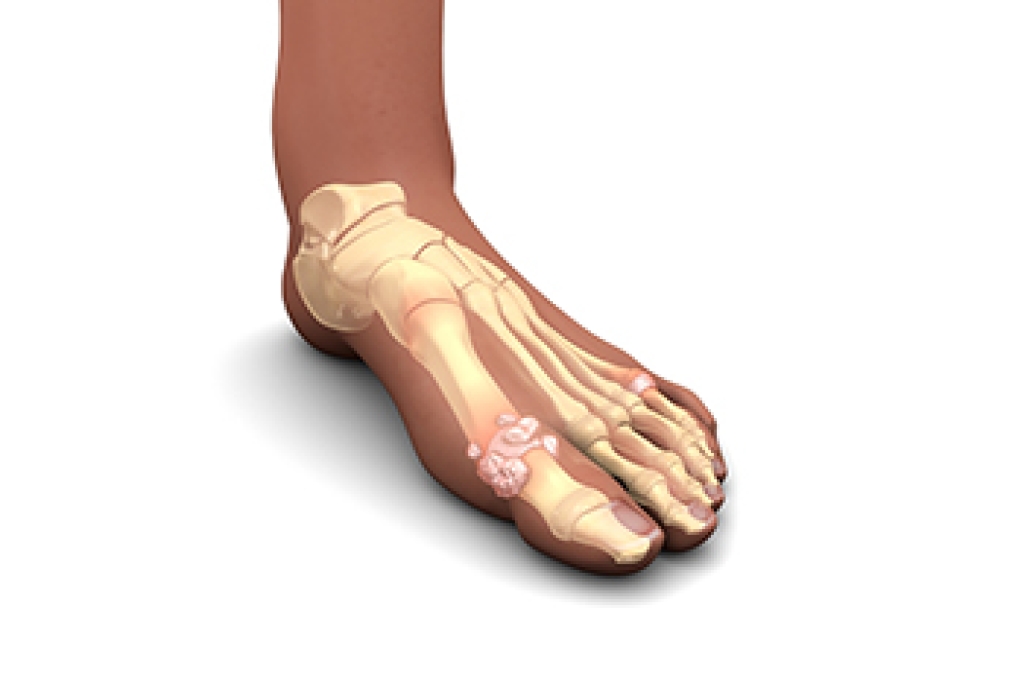
Gout is a form of inflammatory arthritis that develops when uric acid crystals build up in a joint, most often with severe pain in the big toe. The condition usually appears suddenly, often at night, with intense pain, redness, warmth, and swelling. Some people describe the pain as sharp and throbbing, making even light pressure uncomfortable. Risk factors include older age, diets high in red meat or sugary drinks, certain medications, and excess body weight. Gout happens when the body either produces too much uric acid or cannot remove it effectively. Flare-ups may come and go, but without proper care, they can become more frequent. A podiatrist can diagnose gout, confirm it with testing, and provide treatments that reduce pain and prevent joint damage. Gout can be very painful and may cause difficulty in completing daily tasks. If you have symptoms of gout, it is strongly suggested that you are under the care of a podiatrist who can help you to manage this painful condition.

Gout is a painful condition that can be treated. If you are seeking treatment, contact Dr. Gary Cesar from Michigan Foot and Ankle Center. Our doctor will treat your foot and ankle needs.

What Is Gout?

Gout is a form of arthritis that is characterized by sudden, severe attacks of pain, redness, and tenderness in the joints. The condition usually affects the joint at the base of the big toe. A gout attack can occur at any random time, such as the middle of the night while you are asleep.

Symptoms

  • Intense Joint Pain - Usually around the large joint of your big toe, and it most severe within the first four to twelve hours
  • Lingering Discomfort - Joint discomfort may last from a few days to a few weeks
  • Inflammation and Redness -Affected joints may become swollen, tender, warm and red
  • Limited Range of Motion - May experience a decrease in joint mobility

Risk Factors

  • Genetics - If family members have gout, you’re more likely to have it
  • Medications - Diuretic medications can raise uric acid levels
  • Gender/Age - Gout is more common in men until the age of 60. It is believed that estrogen protects women until that point
  • Diet - Eating red meat and shellfish increases your risk
  • Alcohol - Having more than two alcoholic drinks per day increases your risk
  • Obesity - Obese people are at a higher risk for gout

Prior to visiting your podiatrist to receive treatment for gout, there are a few things you should do beforehand. If you have gout you should write down your symptoms--including when they started and how often you experience them, important medical information you may have, and any questions you may have. Writing down these three things will help your podiatrist in assessing your specific situation so that he or she may provide the best route of treatment for you.

If you have any questions, please feel free to contact our offices located in Lansing and Mt. Pleasant, MI . We offer the newest diagnostic and treatment technologies for all your foot care needs.
Read more about Gout
Connect with us