Have your child's feet been examined lately? Healthy feet are happy feet. If your child is complaining of foot pain, it may be a sign of underlying problems.

(517) 487-5171
Fax (517) 908-0172


Have your child's feet been examined lately? Healthy feet are happy feet. If your child is complaining of foot pain, it may be a sign of underlying problems.
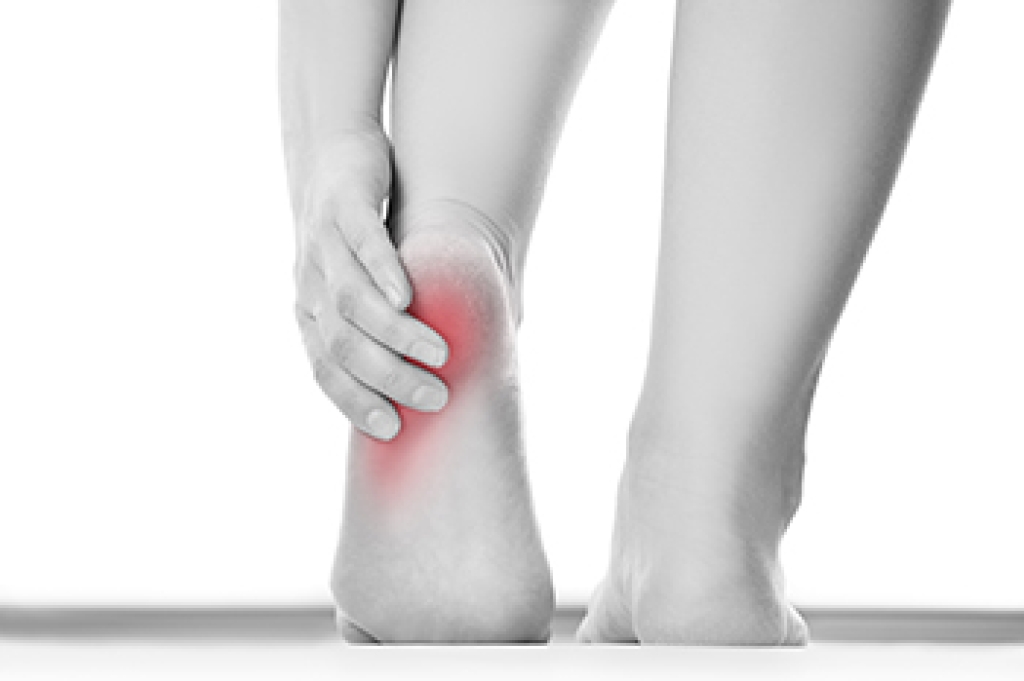
Sever’s disease is a common cause of heel pain in growing children, especially those who are active in sports. It is a growth-related condition that affects the heel bone, known as the calcaneus. During periods of rapid growth, bones can lengthen faster than the surrounding muscles and tendons, creating tension at the growth plate. Repetitive stress on this sensitive area can lead to inflammation and discomfort, particularly in children who regularly engage in running and jumping activities.
Symptoms of Sever’s disease typically include heel pain that worsens with physical activity and improves with rest. Children may report tenderness at the back or underside of the heel, along with stiffness and difficulty walking or running comfortably. In some cases, a child may limp or avoid placing full weight on the affected foot. The pain can occur in one or both heels and may vary in severity depending on activity level and intensity.
Several risk factors can increase the likelihood of developing this condition. Participation in high-impact sports such as soccer, basketball, or track places repeated strain on the heel. Rapid growth spurts can further contribute by increasing tension in the muscles and tendons attached to the heel bone. Wearing improper footwear that lacks sufficient support or cushioning can worsen symptoms. Additionally, foot structure, including flat feet or high arches, may lead to uneven pressure distribution and added stress on the growth plate.
Managing Sever’s disease focuses on reducing stress on the heel and promoting proper foot mechanics. Rest, supportive footwear, and stretching exercises can help relieve discomfort and support healing. Early attention is important to prevent prolonged symptoms and allow a safe return to activity. If your active child has heel pain, it is suggested that you consult a podiatrist who can offer effective relief and management tips.
Sever's disease often occurs in children and teens. If your child is experiencing foot or ankle pain, see Dr. Gary Cesar from Michigan Foot and Ankle Center. Our doctor can treat your child’s foot and ankle needs.
Sever’s Disease
Sever’s disease is also known as calcaneal apophysitis, which is a medical condition that causes heel pain I none or both feet. The disease is known to affect children between the ages of 8 and 14.
Sever’s disease occurs when part of the child’s heel known as the growth plate (calcaneal epiphysis) is attached to the Achilles tendon. This area can suffer injury when the muscles and tendons of the growing foot do not keep pace with bone growth. Therefore, the constant pain which one experiences at the back of the heel will make the child unable to put any weight on the heel. The child is then forced to walk on their toes.
Symptoms
Acute pain – Pain associated with Sever’s disease is usually felt in the heel when the child engages in physical activity such as walking, jumping and or running.
Highly active – Children who are very active are among the most susceptible in experiencing Sever’s disease, because of the stress and tension placed on their feet.
If you have any questions, please feel free to contact our offices located in Lansing and Mt. Pleasant, MI . We offer the newest diagnostic and treatment technologies for all your foot care needs.
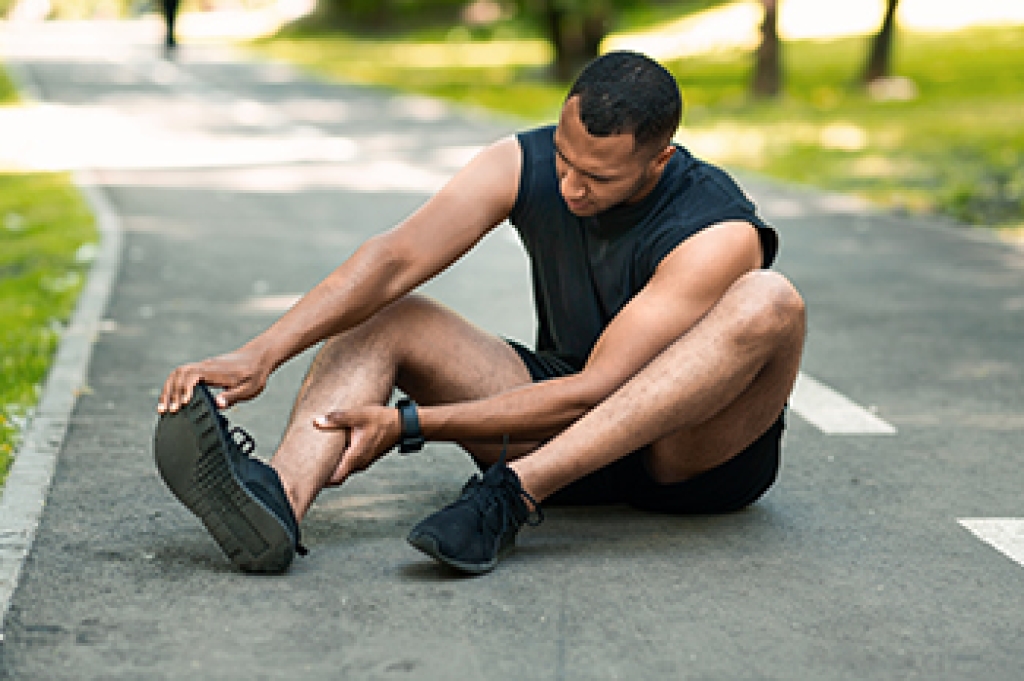
Running places repeated stress on the feet, making foot pain a common concern for both new and experienced athletes. These injuries often result from overuse, improper technique, or wearing shoes that do not provide adequate support. Among the most common conditions are plantar fasciitis, ankle sprains, stress fractures, and Morton’s neuroma.
Plantar fasciitis involves irritation of the connective tissue along the bottom of the foot, leading to heel pain and stiffness. Ankle sprains occur when ligaments are stretched beyond their limits, often due to uneven terrain or sudden changes in direction. Stress fractures are tiny breaks in the bone that develop over time from repeated impact. Additionally, Morton’s neuroma is a nerve condition that causes pain and numbness between the toes, often described as a burning sensation. Symptoms can include swelling, bruising, and pain that worsens during or after running. Some runners experience weakness or instability, which may affect performance and increase injury risk. In more serious cases, there may be difficulty bearing weight on the affected foot. These signs should not be ignored, as early intervention can prevent further damage.
Risk factors include excessive mileage, inadequate rest, poor running form, and tight calf muscles. Shoes that are worn out or do not fit properly can also contribute to injury. Preventive strategies include proper training techniques, wearing supportive footwear, and routine stretching. Attention to early symptoms allows for faster recovery and a safer return to activity. If you have foot pain from running, it is suggested that you promptly consult a podiatrist for an accurate diagnosis and effective treatment solutions.
Foot Pain
Foot pain can be extremely painful and debilitating. If you have a foot pain, consult with Dr. Gary Cesar from Michigan Foot and Ankle Center. Our doctor will assess your condition and provide you with quality foot and ankle treatment.
Causes
Foot pain is a very broad condition that could be caused by one or more ailments. The most common include:
Diagnosis
To figure out the cause of foot pain, podiatrists utilize several different methods. This can range from simple visual inspections and sensation tests to X-rays and MRI scans. Prior medical history, family medical history, and any recent physical traumatic events will all be taken into consideration for a proper diagnosis.
Treatment
Treatment depends upon the cause of the foot pain. Whether it is resting, staying off the foot, or having surgery; podiatrists have a number of treatment options available for foot pain.
If you have any questions, please feel free to contact our offices located in Lansing and Mt. Pleasant, MI . We offer the newest diagnostic and treatment technologies for all your foot care needs.
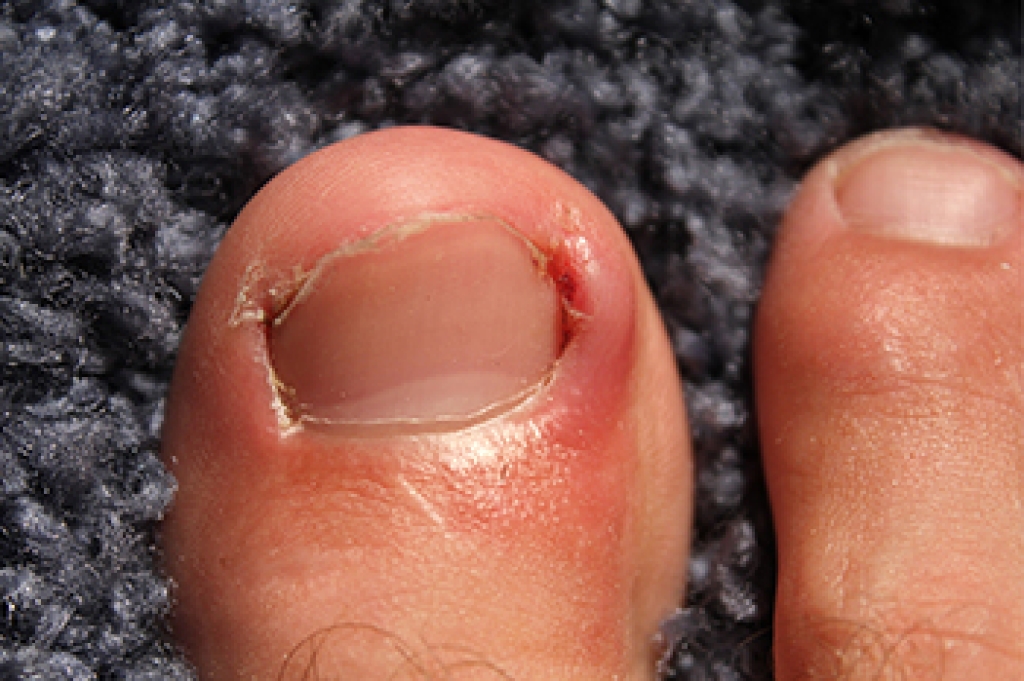
An ingrown toenail occurs when the edge of the nail grows into the nearby skin. This most often affects the big toe, but it can happen to any toenail. As the nail presses into the skin, the toe may become painful, swollen, or red. In some cases, the area may also become infected and more tender to the touch. Ingrown toenails can make it difficult to wear shoes comfortably or walk without pain. The problem may start small, but it can worsen if the nail continues to irritate the skin. People with diabetes, poor circulation, or reduced feeling in the feet should be especially careful because foot infections can become more serious.
A podiatrist can examine the toe and determine how severe the ingrown toenail is. During the visit, the podiatrist checks for infection, nail damage, and changes in the surrounding skin. Treatment depends on the patient’s symptoms and how deeply the nail has grown into the skin. In some cases, the podiatrist may carefully remove part of the nail to relieve pressure and help the area heal. If infection is present, additional medical treatment may be needed. Professional ingrown toenail treatment can reduce pain, protect the skin, and lower the chance of the problem returning.
Prompt podiatry care is important when an ingrown toenail becomes painful or shows signs of infection. Early treatment may prevent the condition from worsening and help restore comfort during walking. A podiatrist can also evaluate nail shape and foot structure to understand why the problem developed. Professional foot care supports healthier nails and helps protect long-term foot health. If you have toe pain, swelling, or redness from an ingrown toenail, it is suggested that you consult a podiatrist for an evaluation.
Ingrown toenails can become painful if they are not treated properly. For more information about ingrown toenails, contact Dr. Gary Cesar of Michigan Foot and Ankle Center. Our doctor can provide the care you need to keep you pain-free and on your feet.
Ingrown Toenails
Ingrown toenails occur when a toenail grows sideways into the bed of the nail, causing pain, swelling, and possibly infection.
Causes
Prevention
Wearing proper fitting shoes and using proper cutting techniques will also help decrease your risk of developing ingrown toenails.
Treatment
Ingrown toenails are a very treatable foot condition. In minor cases, soaking the affected area in salt or antibacterial soaps will not only help with the ingrown nail itself, but also help prevent any infections from occurring. In more severe cases, surgery is an option. In either case, speaking to your podiatrist about this condition will help you get a better understanding of specific treatment options that are right for you.
If you have any questions, please feel free to contact our offices located in Lansing and Mt. Pleasant, MI . We offer the newest diagnostic and treatment technologies for all your foot care needs.
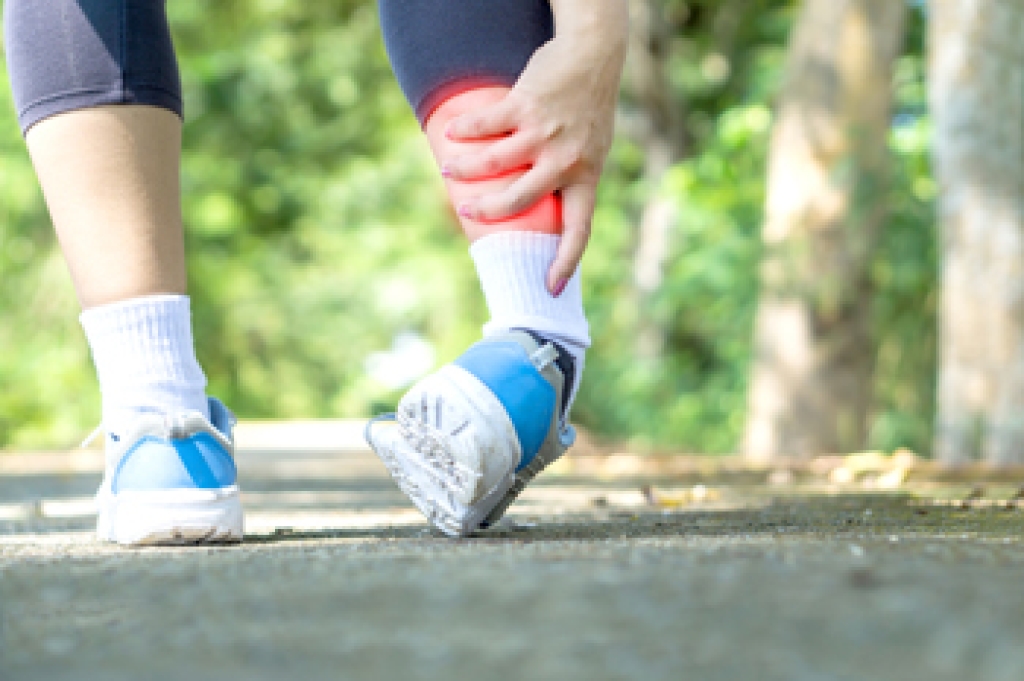
Preventing running injuries begins with understanding how footwear supports the foot during repetitive movement. Running places repeated stress on the bones, joints, and soft tissue structures of the feet. Without proper protection, this stress can lead to common conditions, such as plantar fasciitis, stress fractures, and tendon irritation. Running shoes are designed to reduce impact forces, improve alignment, and provide stability. Selecting the correct pair is one of the most effective ways to reduce injury risk and maintain long-term foot health.
Symptoms of wearing improper footwear develop gradually and include heel pain, arch discomfort, shin pain, or ankle instability. Runners may also notice blisters, calluses, or uneven wear patterns on their shoes. These signs suggest that the foot is not receiving adequate support or shock absorption. Over time, this can increase strain on ligaments and tendons, leading to chronic injury. Recognizing early symptoms allows runners to make timely adjustments before more serious conditions develop.
Several risk factors contribute to running-related injuries. Included are poor shoe fit, worn out footwear, and biomechanical imbalances like flat feet or high arches. Shoes that lack proper cushioning fail to absorb impact, while those without stability features can allow excessive inward or outward foot motion. Motion control and stability shoes are designed to guide the foot into a more neutral position, which helps reduce strain. Matching shoes to an individual's running style and gait pattern is essential for proper support.
Choosing the right running shoe involves proper sizing, adequate arch support, and selecting a design that aligns with your running mechanics. A well-fitted shoe should provide enough room in the toe box while securing the heel. Shock absorbing materials and structured midsoles help protect the foot during impact. A podiatrist can evaluate gait and recommend appropriate footwear based on individual needs. If you have foot pain while running, it is suggested that you consult a podiatrist for effective relief tips and guidance on choosing shoes for pain-free running.
All runners should take extra precaution when trying to avoid injury. If you have any concerns about your feet, contact Dr. Gary Cesar of Michigan Foot and Ankle Center. Our doctor will treat your foot and ankle needs.
How to Prevent Running Injuries
There are a lot of mistakes a runner can make prior to a workout that can induce injury. A lot of athletes tend to overstretch before running, instead of saving those workouts for a post-run routine. Deep lunges and hand-to-toe hamstring pulls should be performed after a workout instead of during a warmup. Another common mistake is jumping into an intense routine before your body is physically prepared for it. You should try to ease your way into long-distance running instead of forcing yourself to rush into it.
More Tips for Preventing Injury
If you have any questions, please feel free to contact our offices located in Lansing and Mt. Pleasant, MI . We offer the newest diagnostic and treatment technologies for all your foot care needs.