
(517) 487-5171
Fax (517) 908-0172

Exercise Can Help Relieve Plantar Fasciitis Pain

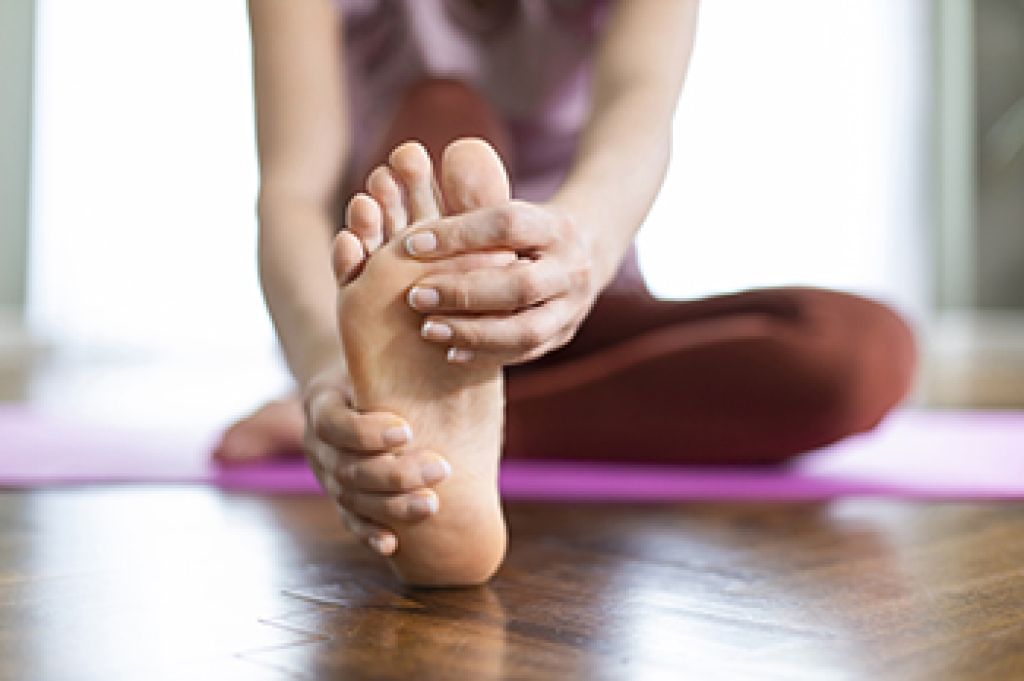
One of the most common causes of pain under the foot is a condition known as plantar fasciitis. Thought to be an overuse injury, plantar fasciitis is inflammation of a thick band of tissue that runs from the toes to the heel. It is imperative to avoid further stress on the foot until the pain subsides, but at that point, a few simple exercises can help to overcome the ailment through stretching. The first exercise calls for sitting in a chair with one leg crossed over the opposite thigh. Gently pull the toes of the painful foot toward the shin with one hand, while slowly massaging the length of the sole of the foot with the other hand. Do this 10 times for 10 seconds each and repeat. If the plantar fasciitis is also in the other foot, change sides. Next, kneel on a mat with your toes tucked under and the heels facing upward, while supporting your weight on your hands. Sit up until you feel a gentle stretch. Hold for a minute and repeat three times. Do two sets. For further help with the pain of plantar fasciitis, it is suggested that you make an appointment with a podiatrist.

Exercising your feet regularly with the proper foot wear is a great way to prevent injuries and build strength. If you have any concerns about your feet, contact Dr. Gary Cesar from Michigan Foot and Ankle Center. Our doctor can provide the care you need to keep you pain-free and on your feet.

Exercise for Your Feet

Exercise for your feet can help you gain strength, mobility and flexibility in your feet. They say that strengthening your feet can be just as rewarding as strengthening another part of the body. Your feet are very important, and we often forget about them in our daily tasks. But it is because of our feet that are we able to get going and do what we need to. For those of us fortunate enough to not have any foot problems, it is an important gesture to take care of them to ensure good health in the long run.

Some foot health exercises can include ankle pumps, tip-toeing, toe rises, lifting off the floor doing reps and sets, and flexing the toes. It is best to speak with Our doctor to determine an appropriate regimen for your needs. Everyone’s needs and bodies are different, and the activities required to maintain strength in the feet vary from individual to individual. 

Once you get into a routine of doing regular exercise, you may notice a difference in your feet and how strong they may become.

If you have any questions, please feel free to contact our offices located in Lansing and Mt. Pleasant, MI . We offer the newest diagnostic and treatment technologies for all your foot care needs.
Read more about Exercise for Your Feet

Toe Pain at Night

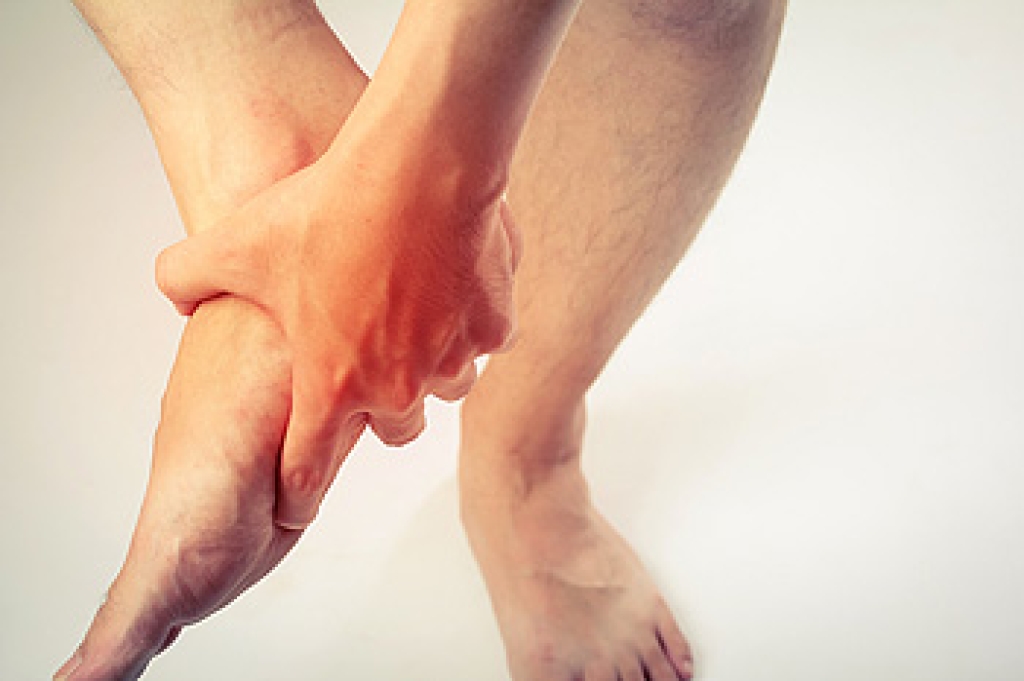
Some people experience pain, cramping, or numbness in their toes at night. Prolonged time on the feet, dehydration, wearing ill-fitting shoes, and mineral deficiencies can trigger this type of pain. Overexertion can drain minerals from the body through sweat and cause cramps in the toes. Wearing shoes that do not fit well can restrict blood flow to the toes. People over age 50 and women who have entered menopause can lose calcium in their bones, which can cause toe cramping during the night. Other medical conditions, including arthritis, peripheral neuropathy, and gout, can result in the same symptoms. If you are experiencing persistent toe pain during the night, it is suggested that you seek counsel from a podiatrist who can evaluate what might be going on and provide appropriate treatment.

Toe pain can disrupt your daily activities. If you have any concerns, contact Dr. Gary Cesar of Michigan Foot and Ankle Center. Our doctor can provide the care you need to keep you pain-free and on your feet.

What Causes Toe Pain?

Most severe toe pain is caused due to a sports injury, trauma from dropping something heavy on the toe, or bumping into something rigid. Other problems can develop over time for various reasons.

Toe pain can be caused by one or more ailments. The most common include:

  • Trauma
  • Sports injury
  • Wearing shoes that are too tight
  • Arthritis
  • Gout
  • Corns and calluses
  • Hammertoe
  • Bunions
  • Blisters
  • Ingrown toenails
  • Sprains
  • Fractures (broken bones)
  • Dislocations

When to See a Podiatrist

  • Severe pain
  • Persistent pain that lasts more than a week
  • Signs of infection
  • Continued swelling
  • Pain that prevents walking

Diagnosis

In many cases the cause of toe pain is obvious, but in others, a podiatrist may want to use more advanced methods to determine the problem. These can range from simple visual inspections and sensation tests to X-rays and MRI scans. Prior medical history, family medical history, and any recent physical traumatic events will all be taken into consideration for a proper diagnosis.

Treatment

Treatments for toe pain and injuries vary and may include shoe inserts, padding, taping, medicines, injections, and in some cases, surgery. If you believe that you have broken a toe, please see a podiatrist as soon as possible.

If you have any questions please contact our offices located in Lansing and Mt. Pleasant, MI . We offer the newest diagnostic and treatment technologies for all your foot and ankle needs.

Read more about Toe Pain

Fall Prevention Begins With the Living Environment

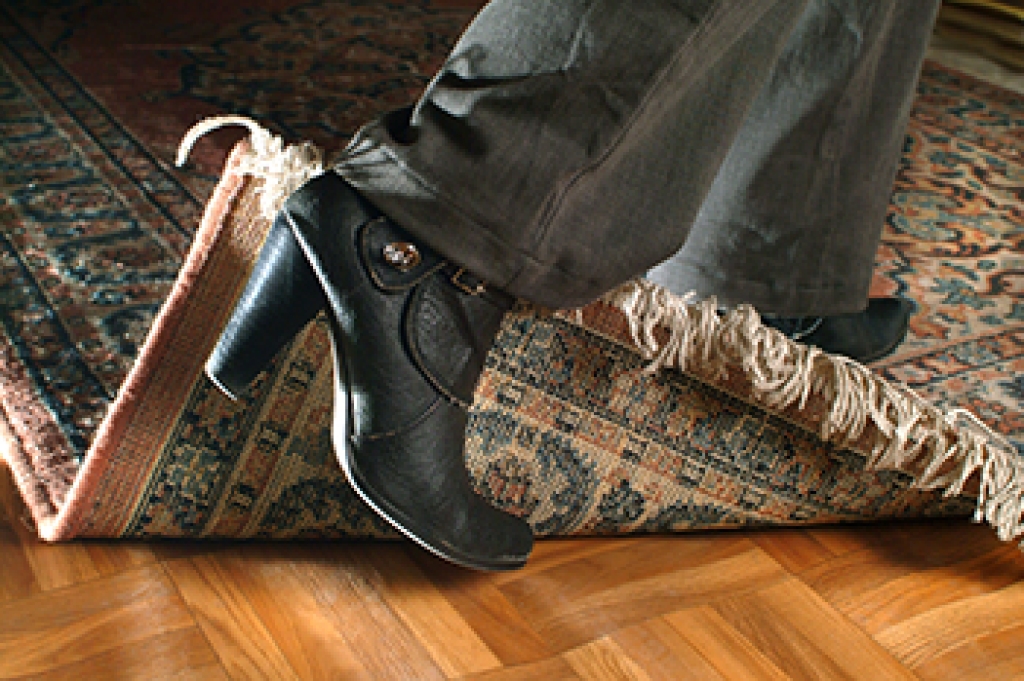
It is crucial for people who are elderly to practice fall prevention techniques. The feet can easily become hurt during a fall, and this can cause difficulty in completing daily activities. The home may be the first place to observe tripping hazards. This can begin with removing worn rugs from the living environment, and improving existing lighting. Many people choose to have grab bars installed in the shower and toilet area, in addition to using a bathmat. Engaging in a routine exercise program may help to strengthen the overall body, which can be effective in preventing falls. Additionally, having regular physical and eye examinations is useful in updating medications and eyeglasses. If you would like to know more about how to prevent falling, it is suggested that you consult with a podiatrist who can provide you with helpful information. 

Preventing falls among the elderly is very important. If you are older and have fallen or fear that you are prone to falling, consult with Dr. Gary Cesar from Michigan Foot and Ankle Center. Our doctor will assess your condition and provide you with quality advice and care.

Every 11 seconds, an elderly American is being treated in an emergency room for a fall related injury. Falls are the leading cause of head and hip injuries for those 65 and older. Due to decreases in strength, balance, senses, and lack of awareness, elderly persons are very susceptible to falling. Thankfully, there are a number of things older persons can do to prevent falls.

How to Prevent Falls

Some effective methods that older persons can do to prevent falls include:

  • Enrolling in strength and balance exercise program to increase balance and strength
  • Periodically having your sight and hearing checked
  • Discuss any medications you have with a doctor to see if it increases the risk of falling
  • Clearing the house of falling hazards and installing devices like grab bars and railings
  • Utilizing a walker or cane
  • Wearing shoes that provide good support and cushioning
  • Talking to family members about falling and increasing awareness

Falling can be a traumatic and embarrassing experience for elderly persons; this can make them less willing to leave the house, and less willing to talk to someone about their fears of falling. Doing such things, however, will increase the likelihood of tripping or losing one’s balance. Knowing the causes of falling and how to prevent them is the best way to mitigate the risk of serious injury.  

If you have any questions, please feel free to contact our offices located in Lansing and Mt. Pleasant, MI . We offer the newest diagnostic and treatment technologies for all your foot care needs.
Read more about Falls Prevention

Simple Tips for Diabetic Foot Care

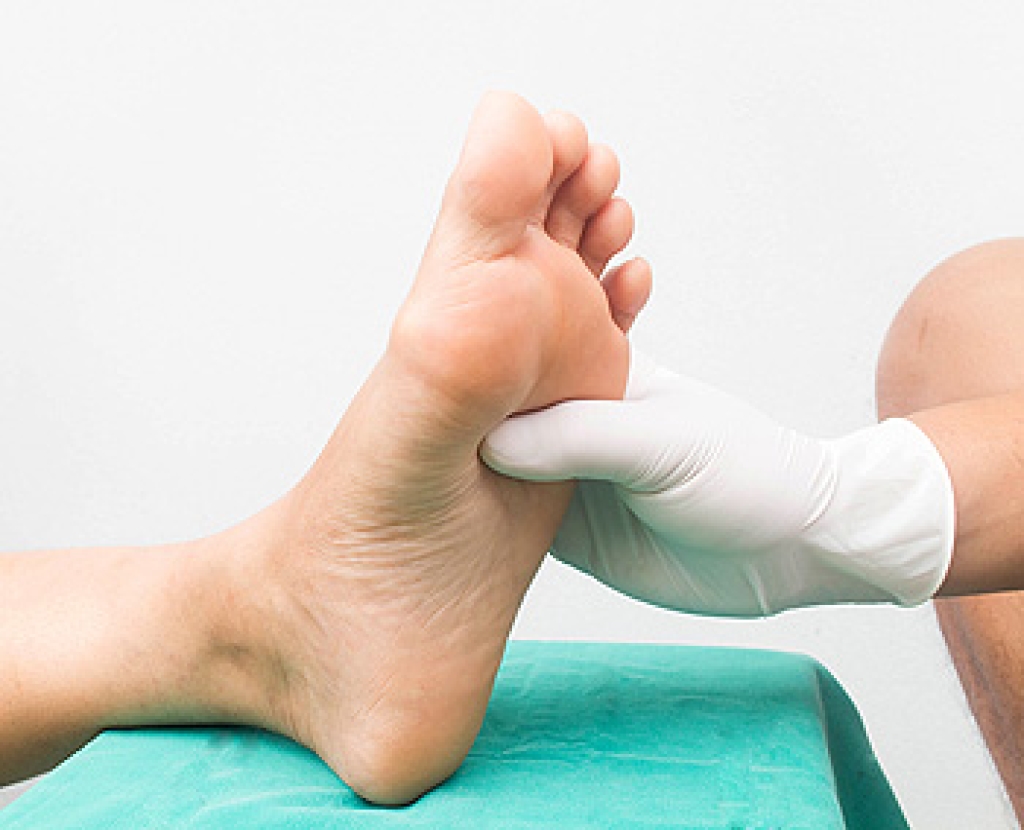
The importance of maintaining proper foot care is extremely critical for diabetic patients. Neuropathy is a common condition among this group of people. This is defined as the inability to feel existing cuts, bruises, and scrapes on the feet, as a result of nerve damage. Proper diabetic foot care can begin with washing and drying the feet thoroughly, especially between the toes. This can be followed by applying a light moisturizer, which may be helpful in preventing cracked heels. Trimming the toenails weekly is a crucial step in practicing good foot care, and a podiatrist is able to do this correctly. It is important to wear shoes that fit properly, in addition to refraining from walking barefoot. A cut that develops on the foot may become infected easier in people who are diabetic, and prompt medical care is often sought, which may help to prevent a foot ulcer from developing. If you have diabetes, it is strongly suggested that you are under the care of a podiatrist who can help you to manage this condition. 

Diabetic foot care is important in preventing foot ailments such as ulcers. If you are suffering from diabetes or have any other concerns about your feet, contact Dr. Gary Cesar from Michigan Foot and Ankle Center. Our doctor can provide the care you need to keep you pain-free and on your feet.

Diabetic Foot Care

Diabetes affects millions of people every year. The condition can damage blood vessels in many parts of the body, especially the feet. Because of this, taking care of your feet is essential if you have diabetes, and having a podiatrist help monitor your foot health is highly recommended.

The Importance of Caring for Your Feet

  • Routinely inspect your feet for bruises or sores.
  • Wear socks that fit your feet comfortably.
  • Wear comfortable shoes that provide adequate support.

Patients with diabetes should have their doctor monitor their blood levels, as blood sugar levels play such a huge role in diabetic care. Monitoring these levels on a regular basis is highly advised.

It is always best to inform your healthcare professional of any concerns you may have regarding your feet, especially for diabetic patients. Early treatment and routine foot examinations are keys to maintaining proper health, especially because severe complications can arise if proper treatment is not applied.

If you have any questions, please feel free to contact our offices located in Lansing and Mt. Pleasant, MI . We offer the newest diagnostic and treatment technologies for all your foot care needs.

Read more about Diabetic Foot Conditions
Connect with us