
(517) 487-5171
Fax (517) 908-0172

What Causes Foot Blisters?

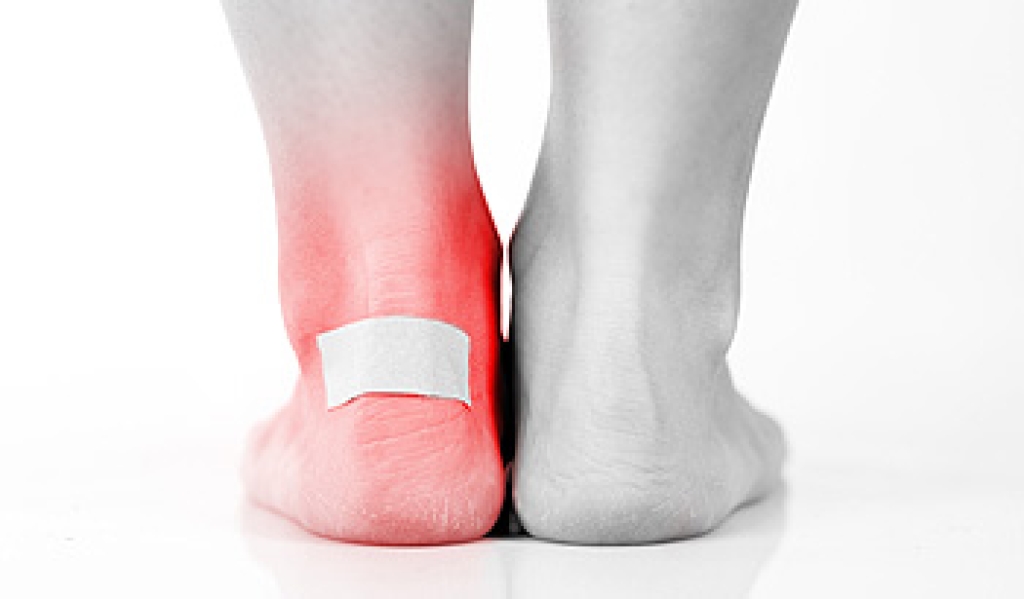
Blisters are fluid-filled bumps that form on the foot, typically in response to stress or trauma to the foot. A blister may be caused by excessive friction or irritation to the foot, as one might experience as a result of playing sports, wearing ill-fitting shoes, or having bones in the feet that are poorly aligned. Too much sun exposure and scalding burns may also cause blisters to form. Other potential causes of blisters are skin infections, such as Athlete’s Foot, and bug bites. Depending on their cause, some types of blisters can heal on their own, while others require medical intervention. Consult with a podiatrist if you have concerns about blisters on your feet.

Blisters may appear as a single bubble or in a cluster. They can cause a lot of pain and may be filled with pus, blood, or watery serum. If your feet are hurting, contact Dr. Gary Cesar of Michigan Foot and Ankle Center. Our doctor can provide the care you need to keep you pain-free and on your feet.

Foot Blisters

Foot blisters are often the result of friction. This happens due to the constant rubbing from shoes, which can lead to pain.

What Are Foot Blisters?

A foot blister is a small fluid-filled pocket that forms on the upper-most layer of the skin. Blisters are filled with clear fluid and can lead to blood drainage or pus if the area becomes infected.

Symptoms

(Blister symptoms may vary depending on what is causing them)

  • Bubble of skin filled with fluid
  • Redness
  • Moderate to severe pain
  • Itching

Prevention & Treatment

In order to prevent blisters, you should be sure to wear comfortable shoes with socks that cushion your feet and absorb sweat. Breaking a blister open may increase your chances of developing an infection. However, if your blister breaks, you should wash the area with soap and water immediately and then apply a bandage to the affected area. If your blisters cause severe pain it is important that you call your podiatrist right away.

If you have any questions, please feel free to contact our offices located in Lansing and Mt. Pleasant, MI . We offer the newest diagnostic and treatment technologies for all your foot care needs.

Read more about Blisters

Gout Pain Can Be Managed

Gout is a painful, inflammatory form of arthritis. Those affected will typically feel an intense stiffness in the joints of their feet, particularly in the big toe. Schedule a visit to learn about how gout can be managed and treated.

What Are Common Symptoms of Toenail Fungus?

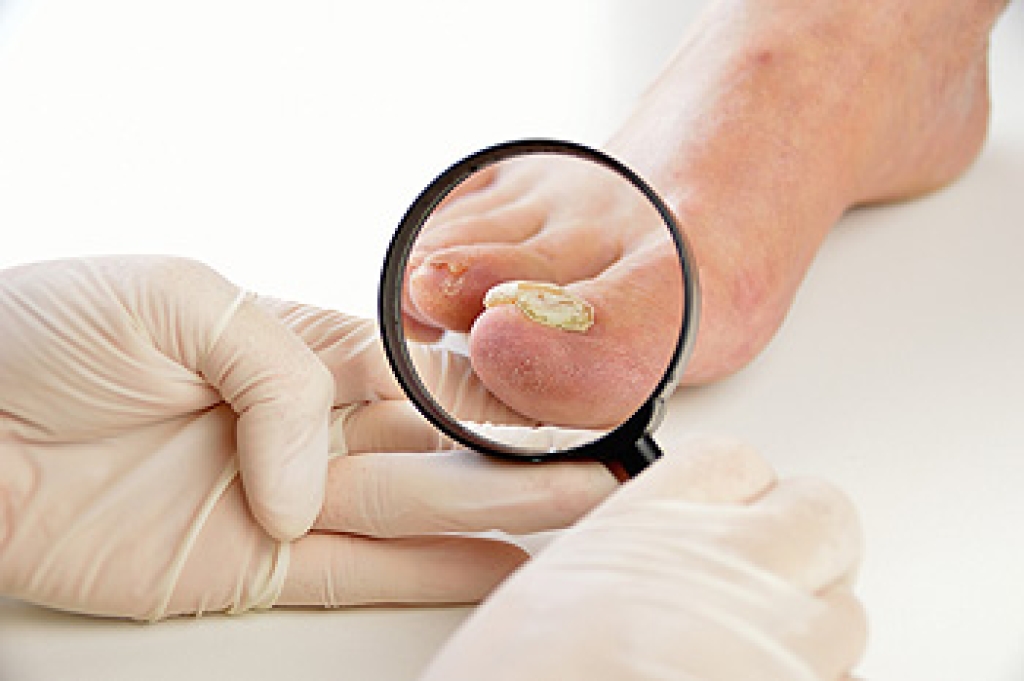
Toenail fungus can cause a great deal of discomfort and foot pain. Some common symptoms of this condition may include discoloration, brittleness, and thickening of the affected toenail. In severe cases, the nail may lift from the toenail bed. If the nail is neglected and left untreated, it’s possible for the infection to spread to other toenails, which is why promptly treating this condition is so important. Keeping the feet clean, dry, and trauma-free are extremely important methods in toenail fungus prevention. Wearing moisture-wicking socks, and appropriate footwear in public areas such as swimming pools, locker rooms, and gyms can also help to prevent getting toenail fungus. For more information on how to care and treat an infected toenail, please consult with a podiatrist.

For more information about treatment, contact Dr. Gary Cesar of Michigan Foot and Ankle Center. Our doctor can provide the care you need to keep you pain-free and on your feet.

Toenail Fungus Treatment

Toenail fungus is a condition that affects many people and can be especially hard to get rid of. Fortunately, there are several methods to go about treating and avoiding it.

Antifungals & Deterrence

Oral antifungal medicine has been shown to be effective in many cases. It is important to consult with a podiatrist to determine the proper regiment for you, or potentially explore other options.

Applying foot powder on the feet and shoes helps keep the feet free of moisture and sweat.

Sandals or open toed shoes – Wearing these will allow air movement and help keep feet dry. They also expose your feet to light, which fungus cannot tolerate. Socks with moisture wicking material also help as well.

If you have any questions please contact our offices located in Lansing and Mt. Pleasant, MI . We offer the newest diagnostic and treatment technologies for all your foot and ankle needs.

Read more about Toenail Fungus

Causes of Cracked Heels

Cracked heels or heel fissures are a common foot condition that can cause discomfort and sometimes pain. The first sign of cracked heels is having areas of dry, thickened skin, known as calluses, around the rim of your heel. As you walk the fat pad under your heel expands, causing the calluses to crack. Some factors for cracked heels to develop can be weight gain or obesity, standing on hard surfaces for extended periods of time, and open back shoes that do not provide adequate support for the heel of the foot. Most of the time cracked heels don't really hurt, but as the cracks deepen, they may bleed or cause standing and walking to become painful. To prevent cracked heels, it is recommended to apply a good moisturizer to the feet daily. Patients with diabetes should check their feet regularly, if the fissures go unnoticed, they could turn into diabetic foot ulcers. If your cracked heels are severe, it is suggested that you seek the counsel of a podiatrist who can guide you towards correct treatment options.  

Cracked heels are unsightly and can cause further damage to your shoes and feet. If you have any concerns, contact Dr. Gary Cesar from Michigan Foot and Ankle Center. Our doctor can provide the care you need to keep you pain-free and on your feet.

Cracked Heels

Cracked heels appear unappealing and can make it harder for you walk around in sandals. Aside from looking unpleasant, cracked heels can also tear stockings, socks, and wear out your shoes. There are several methods to help restore a cracked heel and prevent further damage.

How Do You Get Them?

Dry skin is the number one culprit in creating cracked heels. Many athletes, walkers, joggers, and even swimmers suffer from cracked heels. Age and skin oil production play a role to getting cracked heels as well.

Promote Healing

Over the counter medicines can help, especially for those that need instant relief or who suffer from chronic dry feet.

Wear Socks – Wearing socks with medicated creams helps lock in moisture.

Moisturizers – Applying both day and night will help alleviate dryness which causes cracking.

Pumice Stones – These exfoliate and remove dead skin, which allows for smoother moisturizer application and better absorption into the skin. 

Change in Diet

Eating healthy with a well-balanced diet will give the skin a fresh and radiant look. Your body responds to the kinds of food you ingest. Omega-3 fatty acids and zinc supplements can also revitalize skin tissue.

Most importantly, seek professional help if unsure how to proceed in treating cracked heels. A podiatrist will help you with any questions or information needed. 

If you have any questions, please feel free to contact our offices located in Lansing and Mt. Pleasant, MI . We offer the newest diagnostic and treatment technologies for all your foot care needs.

Read more about Solutions for Cracked Heels
Connect with us