


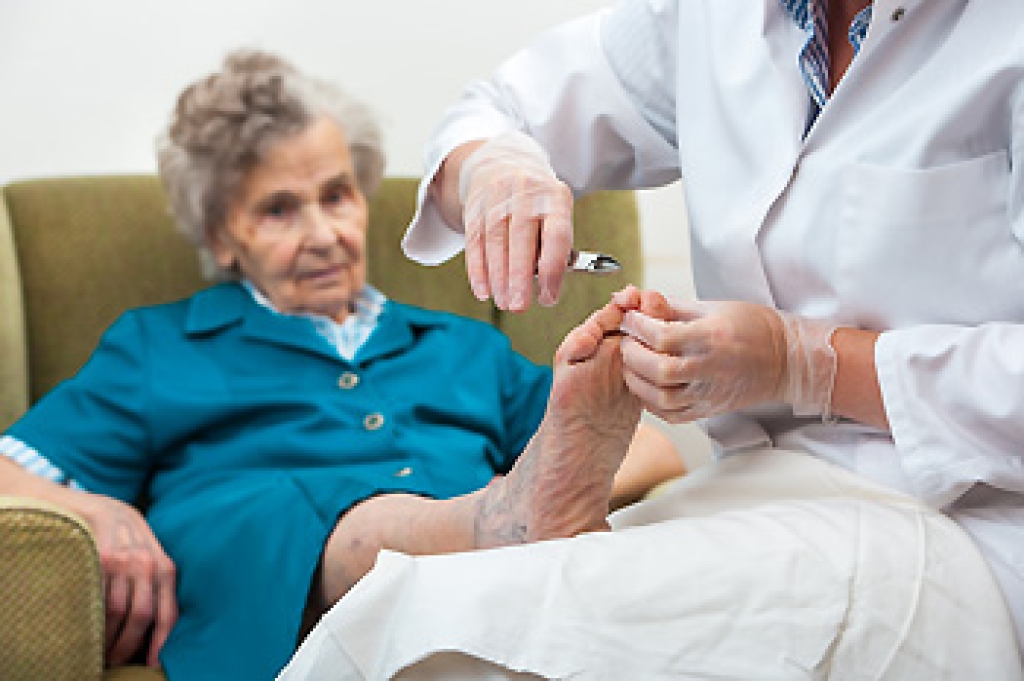
Young feet are springy, strong, and able to absorb shock. Their flexible joints, firm bones, and tendons help the body handle pressure. Aging changes these structures. Tendons lose some stretch, arches can flatten, and joints can become stiff. The padding under the heel and ball of the foot becomes thinner. As a result, standing or walking can feel less comfortable. Skin may become drier and easier to crack, while small injuries can take longer to heal. These changes can make feet less able to handle impact, pressure, and very hot or cold temperatures.
Age also affects muscle strength, circulation, and nail growth. Weaker foot and calf muscles can reduce balance and cause swelling around the feet or ankles. Bones can become thinner, which raises the risk of a fracture. Reduced blood flow can slow healing and make the feet feel cold. Toenails grow more slowly, become thicker, or turn brittle. Older adults are at increased risk of developing bunions, heel pain, and painful calluses. Arthritis, which is joint damage that causes pain and stiffness, can affect the ankle, big toe, or foot joints. These problems can change how a patient stands and walks, increasing strain in other areas.
A podiatrist can assess circulation, skin health, and the way the feet move. The podiatrist can care for thick toenails and calluses, provide padding or custom shoe inserts, and recommend footwear that provides proper support. Treatment can also reduce pressure on sore areas and address changes in foot shape. Regular visits are especially useful for patients with diabetes, poor circulation, or a history of foot wounds. Prompt care is important for swelling, numbness, or color changes. Sores that do not heal also need prompt care. If you have foot problems related to aging, it is suggested that you schedule an appointment with a podiatrist for a diagnosis and appropriate treatment.
Proper foot care is something many older adults forget to consider. If you have any concerns about your feet and ankles, contact Dr. Gary Cesar from Michigan Foot and Ankle Center. Our doctor can provide the care you need to keep you pain-free and on your feet.
The Elderly and Their Feet
As we age we start to notice many changes in our body, but the elder population may not notice them right away. Medical conditions may prevent the elderly to take notice of their foot health right away. Poor vision is a lead contributor to not taking action for the elderly.
Common Conditions
- Neuropathy – can reduce feeling in the feet and can hide many life-threatening medical conditions.
- Reduced flexibility – prevents the ability of proper toenail trimming, and foot cleaning. If left untreated, it may lead to further medical issues.
- Foot sores – amongst the older population can be serious before they are discovered. Some of the problematic conditions they may face are:
- Gouging toenails affecting nearby toe
- Shoes that don’t fit properly
- Pressure sores
- Loss of circulation in legs & feet
- Edema & swelling of feet and ankles
Susceptible Infections
Diabetes and poor circulation can cause general loss of sensitivity over the years, turning a simple cut into a serious issue.
If you have any questions, please feel free to contact our offices located in Lansing and Mt. Pleasant, MI . We offer the newest diagnostic and treatment technologies for all your foot care needs.