
Suffering from this type of pain? You may have the foot condition known as Morton's neuroma. Morton's neuroma may develop as a result of ill-fitting footwear and existing foot deformities. We can help.

(517) 487-5171
Fax (517) 908-0172


Suffering from this type of pain? You may have the foot condition known as Morton's neuroma. Morton's neuroma may develop as a result of ill-fitting footwear and existing foot deformities. We can help.
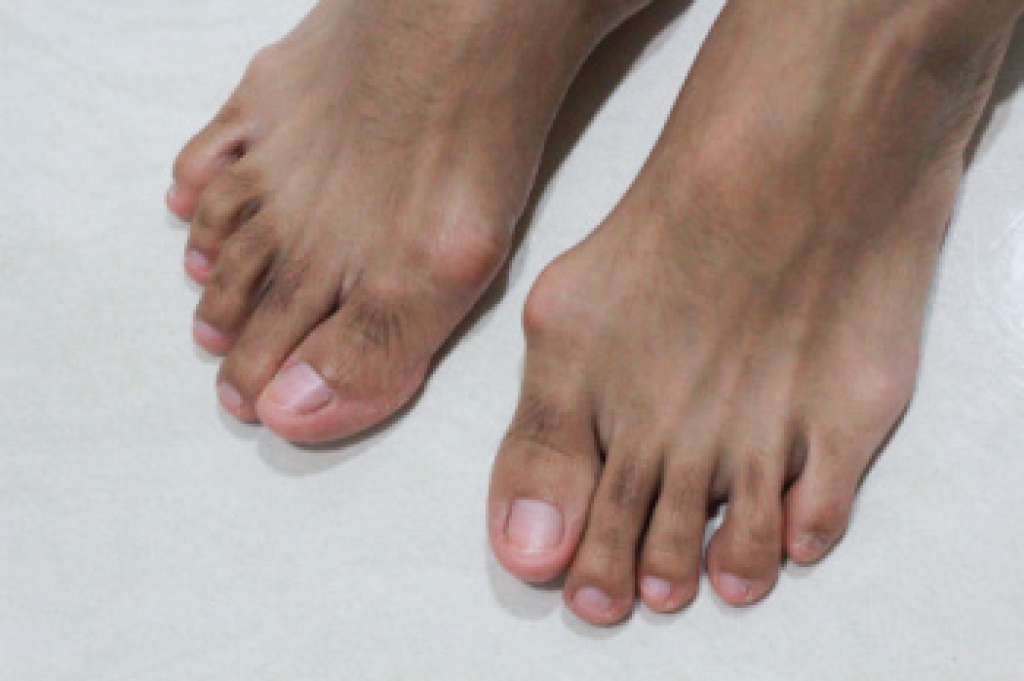
A bunion is a deformity that develops at the joint where the big toe meets the foot. The big toe gradually shifts toward the smaller toes, causing the base of the joint to become enlarged and more noticeable. Bunions develop slowly, and symptoms become more severe over time. Common signs include pain, swelling, and redness surrounding the joint. Some people also experience stiffness or have difficulty wearing certain shoes because of the enlarged area. As the deformity worsens, it can affect the way the foot functions while walking and standing. Because bunions do not usually improve without professional care, early evaluation is important to determine the severity of the condition and recommend appropriate treatment.
Several factors may contribute to bunion development, including inherited foot structure, abnormal foot mechanics, and certain inflammatory joint conditions. Although wearing narrow or tight-fitting shoes does not directly cause bunions, it may increase pressure on the affected joint and worsen existing symptoms. The deformity may continue to progress, making the toe less flexible and increasing discomfort during everyday activities. A comprehensive podiatry examination helps evaluate joint alignment, foot structure, and the extent of the deformity. Imaging studies may also be recommended to better understand changes within the joint. Early diagnosis allows treatment to begin before the bunion causes greater pain or leads to additional foot problems.
A podiatrist specializes in diagnosing and treating bunions while evaluating the overall health and function of the feet. Professional care focuses on relieving pain, improving mobility, and slowing the progression of the deformity when possible. Treatment is individualized based on the severity of the bunion, the patient's symptoms, and activity level. Regular follow-up visits also allow the condition to be monitored and treatment to be adjusted as needed. If you have pain at the base of your big toe or believe you may have a bunion, it is suggested that you consult a podiatrist for an evaluation and appropriate treatment options.
If you are suffering from bunions, contact Dr. Gary Cesar of Michigan Foot and Ankle Center. Our doctor can provide the care you need to keep you pain-free and on your feet.
What Is a Bunion?
A bunion is formed of swollen tissue or an enlargement of boney growth, usually located at the base joint of the toe that connects to the foot. The swelling occurs due to the bones in the big toe shifting inward, which impacts the other toes of the foot. This causes the area around the base of the big toe to become inflamed and painful.
Why Do Bunions Form?
Genetics – Susceptibility to bunions are often hereditary
Stress on the feet – Poorly fitted and uncomfortable footwear that places stress on feet, such as heels, can worsen existing bunions
How Are Bunions Diagnosed?
Podiatrists often perform two tests – blood tests and x-rays – when trying to diagnose bunions, especially in the early stages of development. Blood tests help determine if the foot pain is being caused by something else, such as arthritis, while x-rays provide a clear picture of your bone structure to your provider.
How Are Bunions Treated?
If you have any questions, please feel free to contact our offices located in Lansing and Mt. Pleasant, MI . We offer the newest diagnostic and treatment technologies for all your foot care needs.
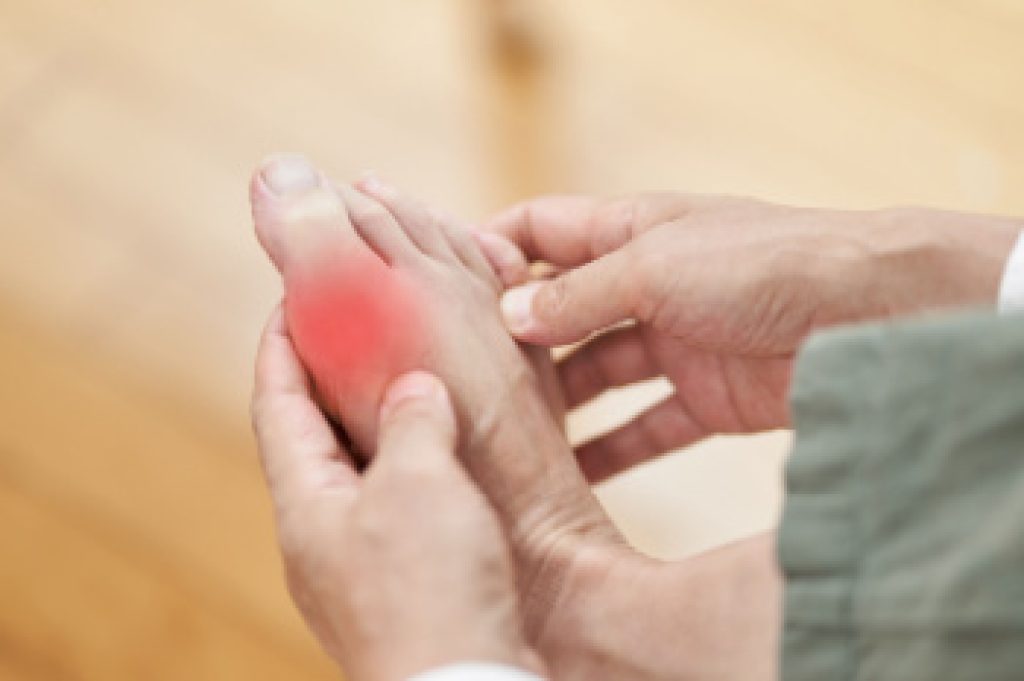
Gout is a chronic condition characterized by repeated episodes of joint inflammation due to excess uric acid in the body. When uric acid crystals accumulate in the joints, they can cause sudden and painful flare-ups. Recurrent gout attacks occur when underlying causes are not fully addressed, leading to ongoing crystal formation. This condition commonly affects the big toe but can involve the ankle and other joints as well. The pain can be debilitating and may cause a delay in completing daily activities. Learning about the causes and triggers of recurrence can help individuals better manage their symptoms.
The symptoms of gout include sharp pain, swelling, redness, and limited movement in the affected joint, usually the big toe. These episodes can begin quickly and may last for several days. After repeated attacks, the joint may remain sensitive and prone to future flare-ups. Risk factors include high-purine diets, excess body weight, and inadequate hydration. Certain medications and medical conditions can also contribute to elevated uric acid levels, increasing the likelihood of recurrence.
Temperature and humidity also play a role in the development of gout symptoms. Lower temperatures can encourage uric acid crystals to form more easily in the joints, particularly in the feet. High humidity may lead to fluid loss and reduced kidney function, which can affect the body’s ability to remove uric acid. Additional causes of recurrent gout include poor dietary habits, excessive alcohol intake, and lack of consistent medical care. Recognizing these influences can help individuals take preventive steps.
Managing gout effectively requires a combination of lifestyle adjustments and medical guidance. Maintaining hydration, following a balanced diet, and avoiding known triggers can help reduce flare-ups. Early attention to symptoms can prevent complications and improve quality of life. If you are dealing with recurrent gout attacks, it is suggested that you consult a podiatrist for effective relief, treatment and management solutions.
Gout is a foot condition that requires certain treatment and care. If you are seeking treatment, contact Dr. Gary Cesar from Michigan Foot and Ankle Center. Our doctor will treat your foot and ankle needs.
What Is Gout?
Gout is a type of arthritis caused by a buildup of uric acid in the bloodstream. It often develops in the foot, especially the big toe area, although it can manifest in other parts of the body as well. Gout can make walking and standing very painful and is especially common in diabetics and the obese.
People typically get gout because of a poor diet. Genetic predisposition is also a factor. The children of parents who have had gout frequently have a chance of developing it themselves.
Gout can easily be identified by redness and inflammation of the big toe and the surrounding areas of the foot. Other symptoms include extreme fatigue, joint pain, and running high fevers. Sometimes corticosteroid drugs can be prescribed to treat gout, but the best way to combat this disease is to get more exercise and eat a better diet.
If you have any questions, please feel free to contact our offices located in Lansing and Mt. Pleasant, MI . We offer the newest diagnostic and treatment technologies for all your foot care needs.

Workplace falls are a leading cause of injury across many industries and can affect employees in offices, warehouses, restaurants, and construction sites. A fall occurs when a person loses balance due to unsafe conditions or environmental hazards. These incidents often result in sprains, lacerations, contusions, or fractures, particularly involving the feet and ankles. Understanding how falls happen and what increases the risk is essential for prevention and safety. Workplace safety measures play an important role in reducing injury rates and improving overall productivity.
Common symptoms after a fall include pain, swelling, bruising, and limited movement. In more serious cases, fractures or deep cuts may require immediate medical attention. Several risk factors increase the likelihood of falling at work, including poor balance, improper footwear, fatigue, and lack of safety awareness. Employees who stand for long hours or perform repetitive tasks may also face a higher risk of foot and ankle strain, which can contribute to instability and falls.
The most common causes of workplace falls include wet surfaces, uneven flooring, cluttered walkways, and poor lighting. Spills that are not cleaned promptly can create slippery conditions, while loose mats or damaged flooring increase the chance of tripping. Cluttered work areas limit safe movement and reduce visibility of hazards. Inadequate lighting makes it difficult to see obstacles clearly, increasing the likelihood of missteps and injury. These preventable conditions highlight the importance of maintaining a clean and well organized environment.
Preventing workplace falls requires attention to safety practices such as proper housekeeping, wearing supportive shoes, and improving lighting conditions. Employers and employees should work together to identify and correct hazards before injuries occur. Early treatment of foot and ankle injuries can help prevent long-term complications and support faster recovery. If you have sustained a foot or ankle injury from falling at work, it is suggested that you consult a podiatrist for an accurate diagnosis and appropriate treatment.
Preventing falls among the elderly is very important. If you are older and have fallen or fear that you are prone to falling, consult with Dr. Gary Cesar from Michigan Foot and Ankle Center. Our doctor will assess your condition and provide you with quality advice and care.
Every 11 seconds, an elderly American is being treated in an emergency room for a fall related injury. Falls are the leading cause of head and hip injuries for those 65 and older. Due to decreases in strength, balance, senses, and lack of awareness, elderly persons are very susceptible to falling. Thankfully, there are a number of things older persons can do to prevent falls.
How to Prevent Falls
Some effective methods that older persons can do to prevent falls include:
Falling can be a traumatic and embarrassing experience for elderly persons; this can make them less willing to leave the house, and less willing to talk to someone about their fears of falling. Doing such things, however, will increase the likelihood of tripping or losing one’s balance. Knowing the causes of falling and how to prevent them is the best way to mitigate the risk of serious injury.
If you have any questions, please feel free to contact our offices located in Lansing and Mt. Pleasant, MI . We offer the newest diagnostic and treatment technologies for all your foot care needs.
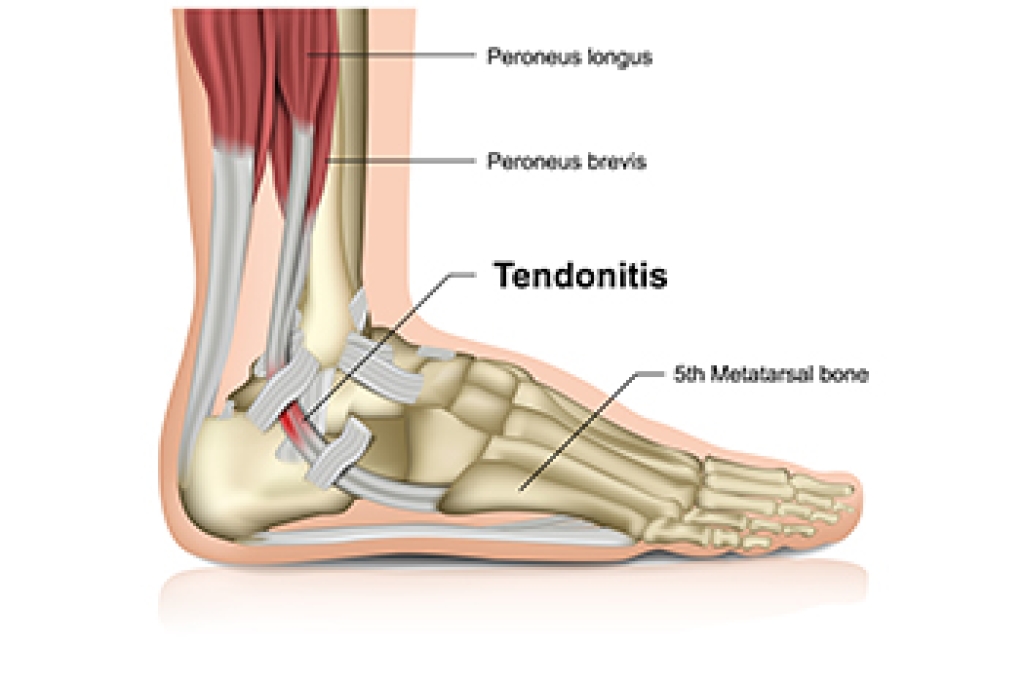
Achilles tendinitis is a common overuse condition that affects the Achilles tendon, which connects the calf muscles to the heel bone. This strong tendon plays a key role in walking, running, and jumping by allowing the foot to push off the ground. Achilles tendinitis develops when the tendon becomes irritated or inflamed due to repetitive strain. It is frequently seen in active individuals, especially those who increase activity levels too quickly or engage in high-impact exercise without proper preparation.
Symptoms of Achilles tendinitis often begin with mild pain or stiffness along the back of the heel, especially after periods of rest or in the morning. As the condition progresses, the pain may worsen during physical activity and continue afterward. Swelling, tenderness, and a thickened appearance of the tendon may also occur. Some individuals experience limited flexibility in the ankle or discomfort when climbing stairs or walking uphill. Early recognition of these symptoms can help prevent more serious tendon damage.
The primary cause of Achilles tendinitis is repetitive stress placed on the tendon without adequate recovery time. Sudden increases in physical activity, tight calf muscles, and improper warm up routines can contribute to strain. Wearing unsupportive footwear or exercising on hard surfaces may also increase the load on the tendon. Poor foot mechanics, such as flat feet or overpronation, can create uneven stress and increase the likelihood of irritation. These factors often work together to weaken the tendon over time.
Risk factors include age, high activity levels, and lack of flexibility. Individuals who participate in running or jumping sports are at greater risk. Preventive care includes gradual training progression, proper stretching, and supportive footwear. Early treatment can improve recovery and prevent long-term complications. If you have Achilles tendon pain, it is suggested that you consult a podiatrist who can accurately diagnose and treat Achilles tendinitis.
Achilles tendon injuries need immediate attention to avoid future complications. If you have any concerns, contact Dr. Gary Cesar of Michigan Foot and Ankle Center. Our doctor can provide the care you need to keep you pain-free and on your feet.
What Is the Achilles Tendon?
The Achilles tendon is a tendon that connects the lower leg muscles and calf to the heel of the foot. It is the strongest tendon in the human body and is essential for making movement possible. Because this tendon is such an integral part of the body, any injuries to it can create immense difficulties and should immediately be presented to a doctor.
What Are the Symptoms of an Achilles Tendon Injury?
There are various types of injuries that can affect the Achilles tendon. The two most common injuries are Achilles tendinitis and ruptures of the tendon.
Achilles Tendinitis Symptoms
Rupture Symptoms
Treatment and Prevention
Achilles tendon injuries are diagnosed by a thorough physical evaluation, which can include an MRI. Treatment involves rest, physical therapy, and in some cases, surgery. However, various preventative measures can be taken to avoid these injuries, such as:
If you have any questions please feel free to contact our offices located in Lansing and Mt. Pleasant, MI . We offer the newest diagnostic tools and technology to treat your foot and ankle needs.