

(517) 487-5171
Fax (517) 908-0172

How Pregnancy May Affect Your Feet

Pregnancy brings many physical changes, and the feet can be affected more than expected. As body weight increases and the center of gravity shifts forward, pressure may be distributed differently across the feet. This can change the way a woman walks and may contribute to foot discomfort. Pregnancy also increases levels of relaxin, a hormone that loosens ligaments throughout the body. In the feet, this can affect the plantar fascia, which is the strong band of tissue that helps form the arch. As these structures become more flexible, the feet may flatten, widen, or increase in length. Some of these changes can remain after pregnancy.


Changes in the foot arch can lead to over-pronation, which happens when the foot rolls inward too much while bearing weight. This can increase strain on the plantar fascia and may contribute to plantar fasciitis. A lower arch can also increase stress on the legs and back. Bunions may develop as the shape and alignment of the foot change. Swelling, also called edema, is another frequent concern during pregnancy. Increased body fluids and pressure on blood vessels can contribute to swelling in the feet and ankles. Swelling may also be accompanied by aching, numbness, or tingling.


A podiatrist can evaluate pregnancy-related foot pain, and identify changes in foot structure or walking patterns. Because some changes can become long-lasting, professional assessment may be helpful when symptoms begin affecting comfort or mobility. A podiatrist can examine arch height, foot alignment, and areas experiencing increased pressure. Professional podiatric care can also help determine whether symptoms are related to common pregnancy changes or require additional medical attention. Foot problems during pregnancy should not automatically be dismissed when they are persistent or painful. If pregnancy-related foot pain, swelling, or structural changes are making walking uncomfortable, it is suggested that you consult a podiatrist for an evaluation and appropriate treatment options.

Pregnant women with swollen feet can be treated with a variety of different methods that are readily available. For more information about other cures for swollen feet during pregnancy, consult with Dr. Gary Cesar from Michigan Foot and Ankle Center. Our doctor will attend to all of your foot and ankle needs.

What Foot Problems Can Arise During Pregnancy?

One problem that can occur is overpronation, which occurs when the arch of the foot flattens and tends to roll inward.  This can cause pain and discomfort in your heels while you’re walking or even just standing up, trying to support your baby.  

Another problem is edema, or swelling in the extremities. This often affects the feet during pregnancy but tends to occur in the later stages. 

How Can I Keep My Feet Healthy During Pregnancy?

  • Wearing orthotics can provide extra support for the feet and help distribute weight evenly
  • Minimize the amount of time spent walking barefoot
  • Wear shoes with good arch support
  • Wear shoes that allow for good circulation to the feet
  • Elevate feet if you experience swelling
  • Massage your feet
  • Get regular, light exercise, such as walking, to promote blood circulation to the feet

If you have any questions, please feel free to contact our offices located in Lansing and Mt. Pleasant, MI . We offer the newest diagnostic and treatment technologies for all your foot care needs.

Read more about Pregnancy and Foot Health

Are You Suffering From Ingrown Toenails?

If left untreated, an ingrown toenail can lead to more serious concerns, such as an infection. Knowing proper nail care can help in the prevention of an ingrown toenail. Give us a call, and get treated!

Peripheral Artery Disease and Foot Health Effects

Peripheral artery disease, or PAD, occurs when arteries become narrowed or blocked, reducing blood flow to the legs and feet. A common cause is atherosclerosis, which develops when plaque builds up inside the arteries and impedes blood flow. Adequate circulation supplies the feet with oxygen and nutrients needed for healthy tissue and normal healing. When circulation is reduced, minor cuts, blisters, or sores may take longer to heal and can become more difficult to manage. PAD may progress slowly, and some people have few noticeable symptoms at first. Recognizing possible warning signs can encourage timely evaluation and care.

Common symptoms of PAD include aching, cramping, or pain in the legs or feet while walking that improves with rest. Other signs may include numbness, weakness, and skin discoloration. More advanced PAD can cause persistent foot pain, including discomfort that becomes worse at night. Reduced circulation may also interfere with wound healing. Persistent sores, cuts, or blisters can increase the risk of infection and should receive prompt attention.

Smoking is a major risk factor for PAD because tobacco can damage blood vessels and interfere with circulation. Diabetes, high blood pressure, and a family history of vascular disease can also increase risk. PAD may significantly affect foot health by contributing to cold feet, skin changes, and a greater risk of infection. People with diabetes may face additional concerns when circulation problems occur with reduced sensation.

A podiatrist can examine the feet for signs of poor circulation and recommend additional testing when necessary. Evaluation may include checking skin temperature, color, and existing wounds. Treatment focuses on addressing risk factors, managing underlying conditions, and protecting the feet from injury. If you have symptoms of PAD, it is suggested that you consult a podiatrist for an accurate evaluation and appropriate treatment recommendations.

Peripheral artery disease can pose a serious risk to your health. It can increase the risk of stroke and heart attack. If you have symptoms of peripheral artery disease, consult with Dr. Gary Cesar from Michigan Foot and Ankle Center. Our doctor will assess your condition and provide you with quality foot and ankle treatment.

Peripheral artery disease (PAD) is when arteries are constricted due to plaque (fatty deposits) build-up. This results in less blood flow to the legs and other extremities. The main cause of PAD is atherosclerosis, in which plaque builds up in the arteries.

Symptoms

Symptoms of PAD include:

  • Claudication (leg pain from walking)
  • Numbness in legs
  • Decrease in growth of leg hair and toenails
  • Paleness of the skin
  • Erectile dysfunction
  • Sores and wounds on legs and feet that won’t heal
  • Coldness in one leg

It is important to note that a majority of individuals never show any symptoms of PAD.

Diagnosis

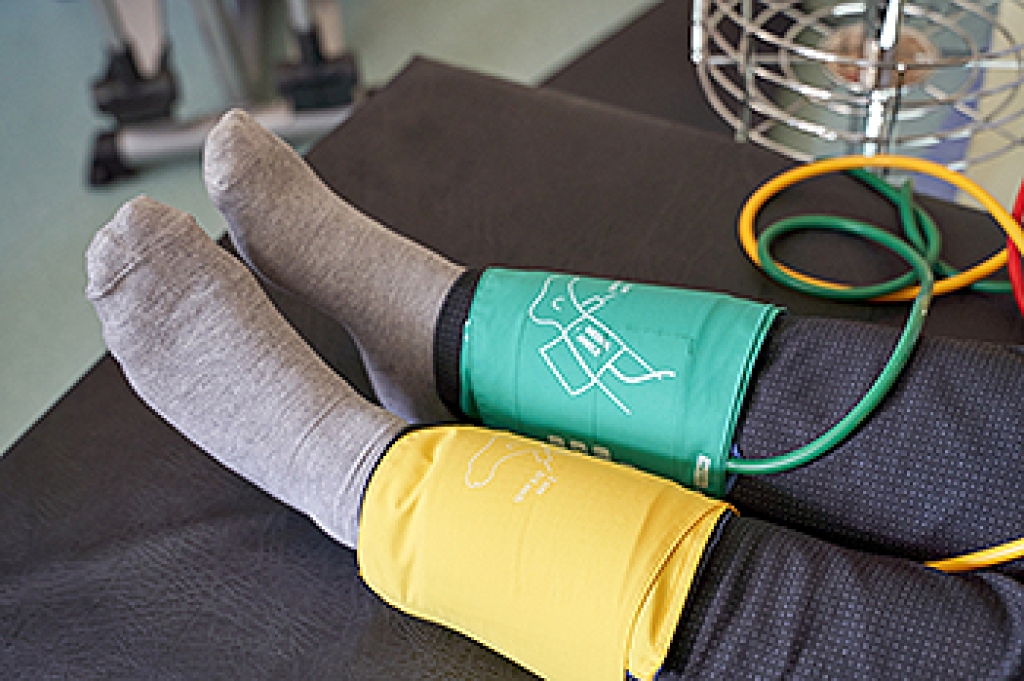
While PAD occurs in the legs and arteries, Podiatrists can diagnose PAD. Podiatrists utilize a test called an ankle-brachial index (ABI). An ABI test compares blood pressure in your arm to you ankle to see if any abnormality occurs. Ultrasound and imaging devices may also be used.

Treatment

Fortunately, lifestyle changes such as maintaining a healthy diet, exercising, managing cholesterol and blood sugar levels, and quitting smoking, can all treat PAD. Medications that prevent clots from occurring can be prescribed. Finally, in some cases, surgery may be recommended.

If you have any questions, please feel free to contact our offices located in Lansing and Mt. Pleasant, MI . We offer the newest diagnostic and treatment technologies for all your foot care needs.
Read more about Peripheral Artery Disease

The Role of Podiatry in Diabetic Limb Salvage

Diabetic limb salvage focuses on treating serious foot and lower-limb complications with the goal of preserving as much healthy tissue and function as possible. Diabetes can damage nerves and reduce circulation to the feet, making injuries harder to notice and slower to heal. A small wound can sometimes develop into a diabetic foot ulcer or serious infection. When these problems progress, tissue damage may place the foot or limb at risk. Limb-salvage care brings together careful wound management, infection treatment, and evaluation of blood flow. Early professional attention is important because timely treatment may improve healing and reduce the risk of limb loss.


Several factors can make diabetic foot wounds more difficult to treat. Nerve damage may reduce sensation, while poor circulation can limit the oxygen and nutrients needed for healing. Infection can further damage tissue and may spread if it is not treated promptly. A diabetic limb-salvage evaluation focuses on the wound and the overall condition of the foot. Depending on the situation, additional testing may be needed to evaluate circulation or determine whether infection has reached deeper tissues. More advanced cases may require coordinated care from multiple medical specialists to protect the patient’s health and preserve function.


A podiatrist plays an important role in diabetic limb salvage by identifying and treating foot problems before they become more severe. Podiatric care may include professional wound treatment, removal of damaged tissue, or methods to reduce pressure on vulnerable areas. A podiatrist can also monitor healing and work with vascular or other specialists when circulation problems require additional care. Treatment is based on the severity of the wound and the patient’s overall health. The goal is to control complications, support healing, and preserve mobility whenever possible. If you have diabetes and develop a non-healing wound, infection, or concerning changes in your foot, it is suggested that you consult a podiatrist for an evaluation and appropriate treatment options.

Diabetic Limb Salvage

Diabetic limb salvage can be an effective way in preventing the need for limb amputation. If you have a foot ulcer and diabetes, consult with Dr. Gary Cesar from Michigan Foot and Ankle Center. Our doctor will assess your condition and provide you with quality foot and ankle treatment.

What Is Diabetic Limb Salvage?

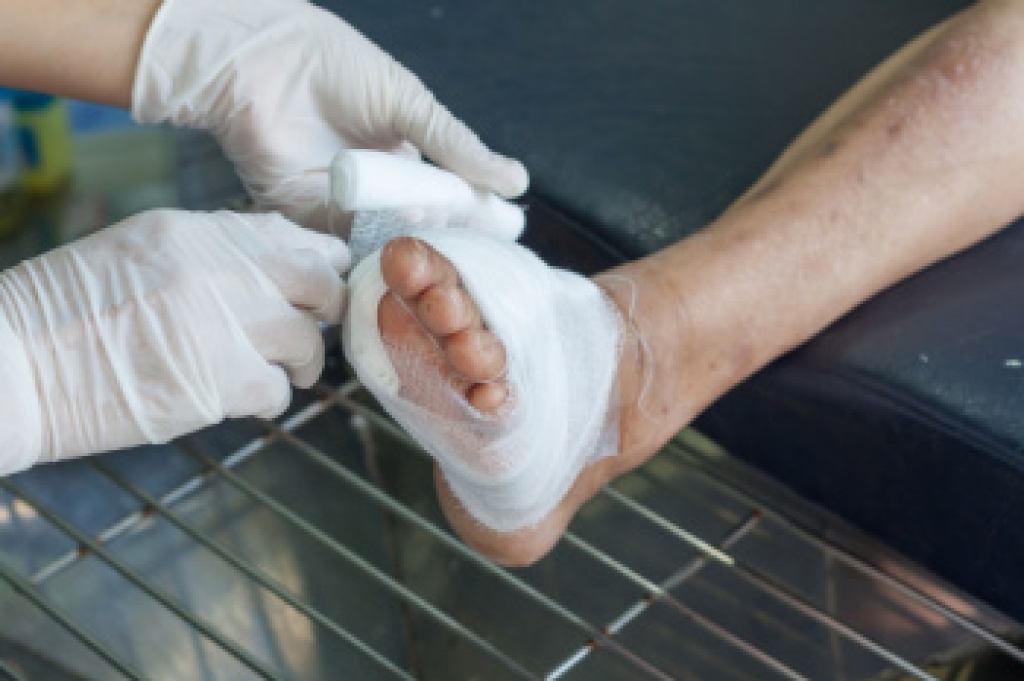
Diabetic limb salvage is the attempt of saving a limb, such as the foot, that has an infected ulcer, from amputation. Podiatrists also try to make sure that there is enough function in the foot after the salvage that it is still usable. Those with diabetes experience poor blood circulation, which prevents proper healing of an ulcer. If the ulcer is left uncheck, it could become infected, which could result in the need for amputation.

Diabetes is the number one cause of non-traumatic amputations in the United States. Amputation has been found to lead to higher mortality rates. This translates into higher healthcare costs, and a reduced quality of life and mobility for amputees. Podiatrists have attempted to increase the prevalence of limb salvage in an attempt to solve these issues.

Diagnosis and Treatment

Limb salvage teams have grown in recent years that utilize a number of different treatments to save the infected limb. This includes podiatrists that specialize in wound care, rehabilitation, orthotics, and surgery. Through a combination of these methods, limb salvage has been found to be an effective treatment for infected limbs, and as an alternative to amputation. Podiatrists will first evaluate the potential for limb salvage and determine if the limb can be saved or must be amputated. 

If you have any questions, please feel free to contact our offices located in Lansing and Mt. Pleasant, MI . We offer the newest diagnostic and treatment technologies for all your foot care needs.
Read more about Limb Salvage

Tarsal Tunnel Syndrome and Why an Accurate Diagnosis Matters

Tarsal tunnel syndrome is a nerve compression condition that affects the posterior tibial nerve as it travels through a narrow space on the inside of the ankle. This tunnel is formed by bone and soft tissue, and when pressure builds within this area, the nerve becomes irritated. This condition is often compared to carpal tunnel syndrome in the wrist, but it affects the foot and ankle. Because symptoms can resemble other foot conditions, an accurate diagnosis is essential for effective treatment and long term relief.

Common symptoms include tingling, numbness, and sharp or shooting pain along the inside of the ankle or the bottom of the foot. These sensations may worsen with prolonged standing or walking. Many patients report that symptoms feel similar to plantar fasciitis, especially when heel pain is present. Others may confuse it with diabetic neuropathy due to the presence of nerve related discomfort, such as numbness or tingling. This overlap can delay proper care if not carefully evaluated.


Several causes and risk factors contribute to the development of tarsal tunnel syndrome. These include flat feet, ankle injuries, and space occupying masses such as cysts. Individuals with biomechanical imbalances or chronic conditions that affect circulation or nerve health may also be at increased risk. Repetitive stress and prolonged weight bearing activities can further aggravate the nerve and worsen symptoms over time.


Early evaluation and proper diagnosis is vital in managing this condition effectively. A podiatrist can differentiate between similar conditions and recommend appropriate treatment options to relieve pressure on the nerve. Addressing the underlying cause can help prevent progression and improve daily function. If you have symptoms related to tarsal tunnel syndrome, it is suggested that you consult a podiatrist for an accurate diagnosis and appropriate treatment.

Tarsal tunnel syndrome can be very uncomfortable to live with. If you are experiencing tarsal tunnel syndrome, contact Dr. Gary Cesar of Michigan Foot and Ankle Center. Our doctor can provide the care you need to keep you pain-free and on your feet.

Tarsal Tunnel Syndrome

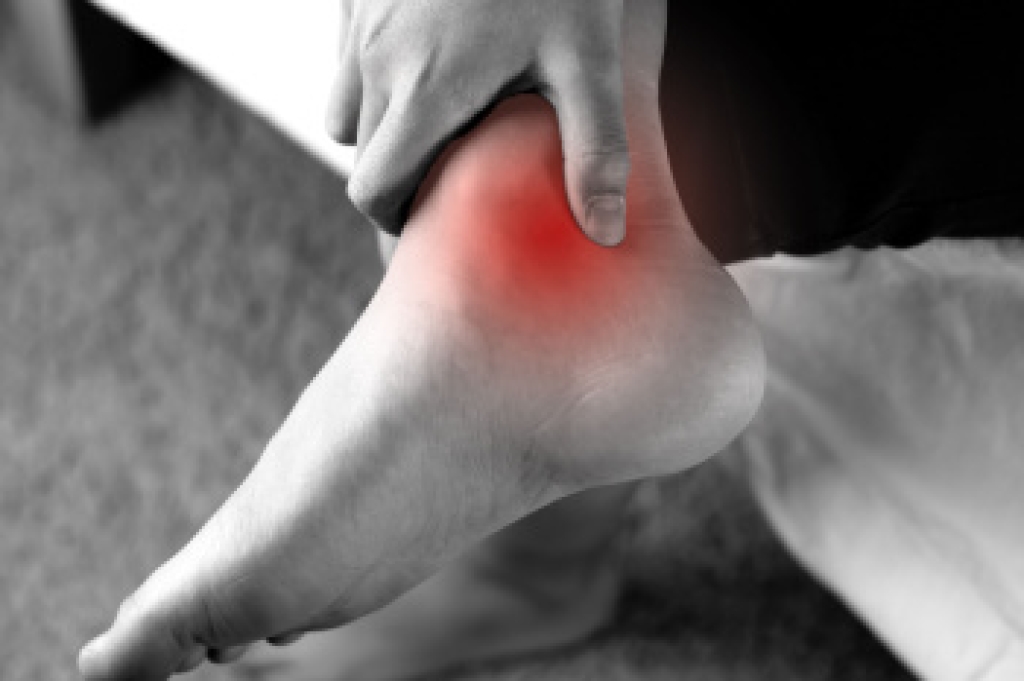
Tarsal tunnel syndrome, which can also be called tibial nerve dysfunction, is an uncommon condition of misfiring peripheral nerves in the foot. The tibial nerve is the peripheral nerve in the leg responsible for sensation and movement of the foot and calf muscles. In tarsal tunnel syndrome, the tibial nerve is damaged, causing problems with movement and feeling in the foot of the affected leg.

Common Cause of Tarsal Tunnel Syndrome

  • Involves pressure or an injury, direct pressure on the tibial nerve for an extended period of time, sometimes caused by other body structures close by or near the knee.
  • Diseases that damage nerves, including diabetes, may cause tarsal tunnel syndrome.
  • At times, tarsal tunnel syndrome can appear without an obvious cause in some cases.

The Effects of Tarsal Tunnel Syndrome

  • Different sensations, an afflicted person may experience pain, tingling, burning or other unusual sensations in the foot of the affected leg.
  • The foot muscles, toes and ankle become weaker, and curling your toes or flexing your foot can become difficult.
  • If condition worsens, infections and ulcers may develop on the foot that is experiencing the syndrome.

A physical exam of the leg can help identify the presence of tarsal tunnel syndrome. Medical tests, such as a nerve biopsy, are also used to diagnose the condition. Patients may receive physical therapy and prescriptive medication. In extreme cases, some may require surgery.

If you have any questions please contact our offices located in Lansing and Mt. Pleasant, MI . We offer the newest diagnostic and treatment technologies for all your foot and ankle needs.

Read more about Tarsal Tunnel Syndrome
Connect with us