Have you noticed a bony protrusion on the side of your big toe? If so, you may have developed the foot condition known as a bunion. Don't let bunions interfere with your daily activities.

(517) 487-5171
Fax (517) 908-0172


Have you noticed a bony protrusion on the side of your big toe? If so, you may have developed the foot condition known as a bunion. Don't let bunions interfere with your daily activities.

Lupus is an autoimmune disease that occurs when the immune system mistakenly attacks healthy tissues. This can cause inflammation throughout the body, including the joints and tissues around the feet. Foot pain from lupus may develop when inflammation affects the joints, tendons, or other structures that help support movement. Symptoms come and go, and their intensity may change over time. Understanding how lupus affects the feet helps you recognize changes and seek appropriate care before discomfort begins interfering with daily activities.
Foot symptoms include aching, tenderness, and swelling surrounding the joints. Some people experience numbness or tingling when inflammation or related nerve problems affect sensation. Feet may also feel unusually cold or chilly, particularly when circulation is affected. Joint discomfort makes walking or standing for long periods of time more difficult. Lupus may affect both feet, although symptoms are not always identical. Paying attention to changes in pain, temperature, or swelling provides helpful information for your podiatrist.
Lupus itself develops from an abnormal immune response, but the exact cause is not fully understood. Genetics, hormones, and environmental factors contribute to its development. Having a family history of autoimmune disease increases the risk. Other factors include certain medications, sun exposure, and smoking. People with lupus may also have related conditions that affect circulation or nerves, which contribute to foot discomfort. Because several problems cause similar symptoms, an evaluation is important when new or persistent foot pain develops.
A podiatrist examines your feet and ankles for swelling, tenderness, and circulation concerns. The exam includes a medical history and physical examination, with imaging tests or other testing ordered when appropriate. Treatment options include wearing supportive footwear, custom orthotics, and strategies for protecting painful areas. If you have foot pain from lupus, it is suggested that you consult a podiatrist for effective relief and management solutions.
Foot Pain
Foot pain can be extremely painful and debilitating. If you have a foot pain, consult with Dr. Gary Cesar from Michigan Foot and Ankle Center. Our doctor will assess your condition and provide you with quality foot and ankle treatment.
Causes
Foot pain is a very broad condition that could be caused by one or more ailments. The most common include:
Diagnosis
To figure out the cause of foot pain, podiatrists utilize several different methods. This can range from simple visual inspections and sensation tests to X-rays and MRI scans. Prior medical history, family medical history, and any recent physical traumatic events will all be taken into consideration for a proper diagnosis.
Treatment
Treatment depends upon the cause of the foot pain. Whether it is resting, staying off the foot, or having surgery; podiatrists have a number of treatment options available for foot pain.
If you have any questions, please feel free to contact our offices located in Lansing and Mt. Pleasant, MI . We offer the newest diagnostic and treatment technologies for all your foot care needs.
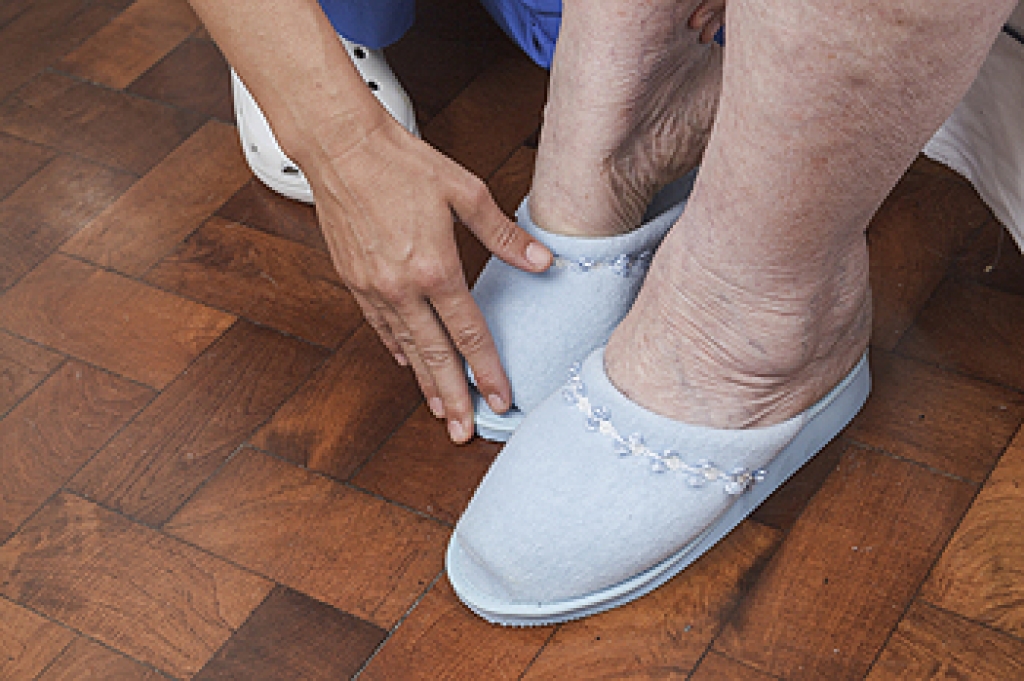
Falls can cause serious injuries and reduce a person’s confidence when standing or walking. Adults age 65 and older face a greater risk because balance, vision, and muscle strength can change with age. Foot pain, numbness, and weak ankles can make each step less steady. A podiatrist can assess the feet and ankles to identify problems that affect stability. This assessment includes checking joint movement, muscle strength, and sensation. The podiatrist can also study how a patient stands and walks.
Properly-fitted shoes are an important part of fall prevention. Shoes with wide soles, low heels, and slip-resistant outsoles can provide a more stable base. Secure laces or fasteners help keep the feet from sliding inside the shoes. Soles should be firm enough to provide support but flexible enough for a natural step. A podiatrist can check whether a patient’s shoes fit correctly and meet their needs. Custom orthotics can improve weight distribution and support foot alignment. They can also reduce painful pressure that changes the way a person walks. When foot pain is controlled, patients may feel more confident and move with greater stability.
Strong feet and ankles help the body respond to changes in the ground or an unexpected loss of balance. Research suggests that foot-strengthening exercises can increase foot strength and reduce concerns about falling. A podiatrist can recommend safe movements based on the patient’s health, balance, and ability. The plan can focus on foot strength, ankle control, and steadier movement. Regular foot exams are also valuable because reduced feeling, painful joints, or skin problems can make walking less secure. The podiatrist can treat these concerns and monitor changes that could raise fall risk. Patients should seek prompt care after a fall or when they notice frequent stumbling, new weakness, or trouble feeling the ground. If you have injured your foot and ankle from falling, it is suggested that you schedule an appointment with a podiatrist for effective relief, treatment, and additional fall prevention tips.
Preventing falls among the elderly is very important. If you are older and have fallen or fear that you are prone to falling, consult with Dr. Gary Cesar from Michigan Foot and Ankle Center. Our doctor will assess your condition and provide you with quality advice and care.
Every 11 seconds, an elderly American is being treated in an emergency room for a fall related injury. Falls are the leading cause of head and hip injuries for those 65 and older. Due to decreases in strength, balance, senses, and lack of awareness, elderly persons are very susceptible to falling. Thankfully, there are a number of things older persons can do to prevent falls.
How to Prevent Falls
Some effective methods that older persons can do to prevent falls include:
Falling can be a traumatic and embarrassing experience for elderly persons; this can make them less willing to leave the house, and less willing to talk to someone about their fears of falling. Doing such things, however, will increase the likelihood of tripping or losing one’s balance. Knowing the causes of falling and how to prevent them is the best way to mitigate the risk of serious injury.
If you have any questions, please feel free to contact our offices located in Lansing and Mt. Pleasant, MI . We offer the newest diagnostic and treatment technologies for all your foot care needs.

Forefoot surgery refers to procedures performed on the front portion of the foot, including the toes and metatarsals. It may be suggested when pain or deformity does not improve with conservative treatment. Common reasons include bunions, hammertoes, and certain fractures. Symptoms may include persistent pain, swelling, or difficulty walking. A podiatrist evaluates the foot and may use X-rays before recommending treatment.
Several types of forefoot surgery are available, and the procedure depends on the condition being treated. Bunion surgery can realign the big toe and correct bone positioning. Hammertoe surgery may straighten a bent toe and improve function. Metatarsal procedures can address painful pressure beneath the forefoot. Surgery may also repair fractures or remove damaged tissue when appropriate. Risk factors include family history, foot structure, and previous injury. Poorly fitting shoes can aggravate forefoot problems. During surgery, the podiatrist uses a procedure selected for the diagnosis. Depending on the condition, this may involve making an incision, realigning a bone, or correcting soft tissue. Afterward, healing begins with protecting the surgical area and controlling swelling. The podiatrist may recommend a surgical shoe, limited weight-bearing, and elevation. Follow-up visits monitor healing and may include X-rays. Gradual return to normal activity is based on healing progress and medical guidance.
Forefoot surgery can provide an option when structural problems interfere with comfort and mobility. Recovery varies according to the procedure and health factors. Patients can support healing by following wound-care instructions, protecting the foot, and attending scheduled appointments. Your podiatrist will explain what to expect before surgery and provide aftercare instructions. If you have forefoot pain or a condition that may require surgery, it is suggested that you consult a podiatrist who can determine if this surgery is right for this.
Foot surgery is sometimes necessary to treat a foot ailment. To learn more, contact Dr. Gary Cesar of Michigan Foot and Ankle Center. Our doctor will assist you with all of your foot and ankle needs.
When Is Surgery Necessary?
Foot and ankle surgery is generally reserved for cases in which less invasive, conservative procedures have failed to alleviate the problem. Some of the cases in which surgery may be necessary include:
What Types of Surgery Are There?
The type of surgery you receive will depend on the nature of the problem you have. Some of the possible surgeries include:
Benefits of Surgery
Although surgery is usually a last resort, it can provide more complete pain relief compared to non-surgical methods and may allow you to finally resume full activity.
Surgical techniques have also become increasingly sophisticated. Techniques like endoscopic surgery allow for smaller incisions and faster recovery times.
If you have any questions, please feel free to contact our offices located in Lansing and Mt. Pleasant, MI . We offer the newest diagnostic and treatment technologies for all your foot care needs.

An ankle sprain happens when ligaments surrounding the ankle are stretched or torn beyond their range. The ankle joint helps connect the foot and lower leg while allowing movement during walking and activities. It also supports the weight of the body with every step. Symptoms of an ankle sprain can include pain, swelling, and difficulty walking. Some people may also feel weakness or instability when placing weight on the affected foot.
Ankle sprains commonly occur when the foot suddenly twists, rolls, or turns during movement. Stepping on an uneven surface can force the ankle into an awkward position. Falling and changes in direction can also increase the chance of injury. Risk factors include previous ankle sprains, poor balance, and footwear that does not provide adequate stability. A severe sprain may involve significant swelling or difficulty bearing weight and should be evaluated promptly.
A podiatrist will begin by asking how the injury happened and reviewing your symptoms. The ankle and foot are examined for tenderness, swelling, and instability. X-rays or other imaging tests may be recommended when a fracture or more serious injury is suspected. Treatment may include rest, compression, and activity changes. Depending on the injury, a podiatrist may recommend an ankle brace, or medication when appropriate. Follow-up visits can help monitor healing and determine when normal activity can safely resume.
Most mild ankle sprains improve with proper care, but returning to activity too quickly can increase the risk of another injury. Protecting the ankle during recovery and following podiatric guidance can support healing. Wearing stable shoes and being cautious on uneven surfaces may also help prevent future sprains. Ankle sprains are often painful and may cause difficulty in completing daily activities. If you have an ankle sprain, it is suggested that you consult a podiatrist for effective relief and treatment methods.
Ankle sprains are common but need immediate attention. If you need your feet checked, contact Dr. Gary Cesar from Michigan Foot and Ankle Center. Our doctor can provide the care you need to keep you pain-free and on your feet.
How Does an Ankle Sprain Occur?
Ankle sprains take place when the ligaments in your ankle are torn or stretched beyond their limits. There are multiple ways that the ankle can become injured, including twisting or rolling over onto your ankle, putting undue stress on it, or causing trauma to the ankle itself.
What Are the Symptoms?
Preventing a Sprain
Treatment of a Sprain
Treatment of a sprain depends on the severity. Many times, people are told to rest and remain off their feet completely, while others are given an air cast. If the sprain is very severe, surgery may be required.
If you have suffered an ankle sprain previously, you may want to consider additional support such as a brace and regular exercises to strengthen the ankle.
If you have any questions please feel free to contact our offices located in Lansing and Mt. Pleasant, MI . We offer the newest diagnostic tools and technology to treat your foot and ankle needs.