


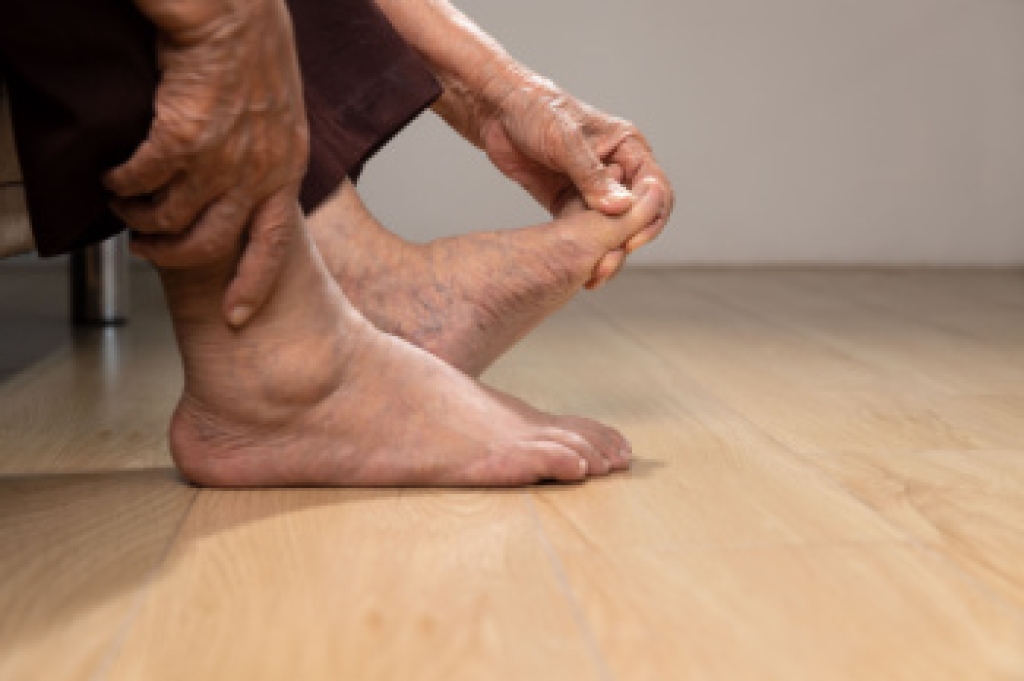
Aging affects the feet by changing their shape, strength, and flexibility. The natural cushioning beneath the heels and balls of the feet becomes thinner, while joints may grow stiffer and arches may flatten. Skin also becomes drier and easier to injure. These changes often lead to heel pain, arthritis, or corns and calluses. Bunions, hammertoes, and thickened toenails also make shoes uncomfortable. Foot pain may alter the way a person walks, reduce activity, and increase the risk of falling. This makes standing, walking, and maintaining balance more challenging, even when no injury has occurred.
Health conditions add to these concerns. Diabetes damages nerves and reduces circulation, making cuts or sores harder to notice and slower to heal. Arthritis causes pain, swelling, and limited joint movement. Poor circulation may leave the feet cold or cause wounds to heal slowly. Changes in balance, eyesight, or reach also make nail care and foot checks more difficult. Persistent numbness, skin color changes, or an open sore require prompt attention. New swelling, warmth, or severe pain should also be evaluated, especially when symptoms affect only one foot.
A podiatrist examines the skin, nails, and circulation to help identify the source of the infection. Care includes safely trimming problem nails, reducing painful corns, and treating infections or wounds. A podiatrist also assesses walking patterns and recommends properly fitted shoes. Custom orthotics or braces improve support, reduce pressure, and make movement more stable. For advanced joint damage or a severe deformity, the podiatrist may discuss whether surgery is appropriate. Regular visits are especially valuable for patients with diabetes, reduced feeling, or circulation problems. Early diagnosis protects mobility and prevents a small concern from becoming more serious. If you are experiencing foot problems as you age, it is suggested that you schedule an appointment with a podiatrist for a diagnosis and appropriate treatment.
If you need your feet checked, contact Dr. Gary Cesar of Michigan Foot and Ankle Center. Our doctor will attend to all of your foot and ankle needs and provide you with quality treatment.
Geriatrics and Podiatry
When people age, some common issues that may occur are bone density loss, dry skin, poor circulation, and rough brittle nails. These issues may also affect your foot health if the necessary steps are not taken to alleviate the problems.
It is important to take care of your feet because feet that are injured or diseased can affect your overall health. Having painful feet hinders your ability to do daily activities or may decrease your willingness to do the things that you need to do.
Visiting Your Geriatrician
As we age, health problems become more likely, so it is essential to visit your doctor for check-ups to ensure that you are doing the best you can to take care of your health. It is recommended to check your feet frequently for any possible cuts, bruises, swelling, corns or any other irregularities.
Taking Care of Elderly Feet
Cracked or dry feet can be treated by applying moisturizer often. It is also important not to wear old socks because the older the sock is, the higher the possibility there will be that there is bacteria there. Wear fresh socks and make sure they fit properly.
Proper foot health means that you can have a more active lifestyle and you will not be bogged down by pain. Foot health also leads to good circulation, which is paramount for overall health.
If you have any questions, please feel free to contact our offices located in Lansing and Mt. Pleasant, MI . We offer the newest diagnostic and treatment technologies for all your foot care needs.